
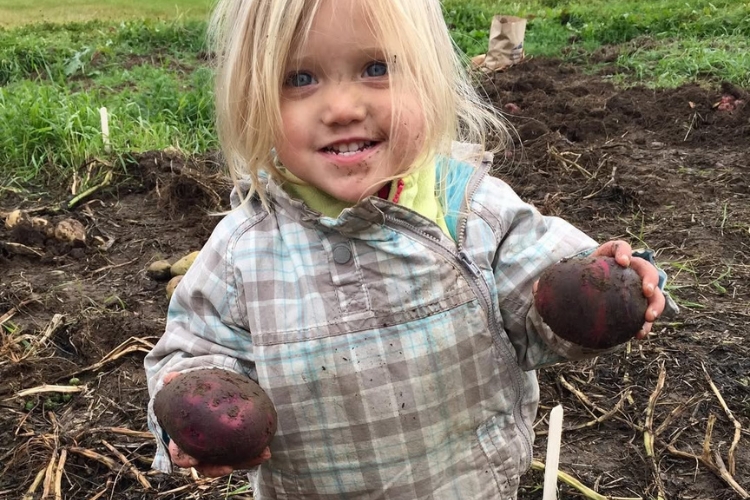
It’s National Potato Day! Whether mashed, baked, roasted, or fried, potatoes and sweet potatoes have long been staples on American tables, supporting farmers and local agricultural economies. Across the land-grant university system, researchers and Extension professionals are helping ensure this important crop continues to thrive.
Featured photo courtesy of the University of Alaska Fairbanks Matanuska Experiment Farm and Extension Center.
In all kinds of weather, these new potato varieties are better
Land-grant university researchers are developing new potato varieties that can perform under challenging growing conditions while maintaining yield and quality.
At the University of Illinois Urbana-Champaign, researchers developed a potato that can really “take the heat!” In field trials during summer heat waves, the modified potatoes produced 30% more tubers than conventional potatoes, without any reduction in nutritional value.
A multistate research project between the west and north central regions is focused on weather-related threats to potato productivity. Researchers at the University of Idaho, University of Wisconsin-Madison, and USDA ARS have identified specific genes in potatoes linked to better tolerance of heat and drought conditions.
However, weather challenges don’t stop when temperatures cool down. In Ohio, many farms have shifted toward monocropping, in part due to challenging cold weather conditions. Researchers at Central State University have identified six varieties of sweet potatoes that were resilient to cold shock treatments, opening new opportunities for growers in northern climates.
Bugs, blights, and viruses: getting to the root of the problem
Land-grant university researchers are helping protect potato crops from pests that can reduce yields and increase production costs.
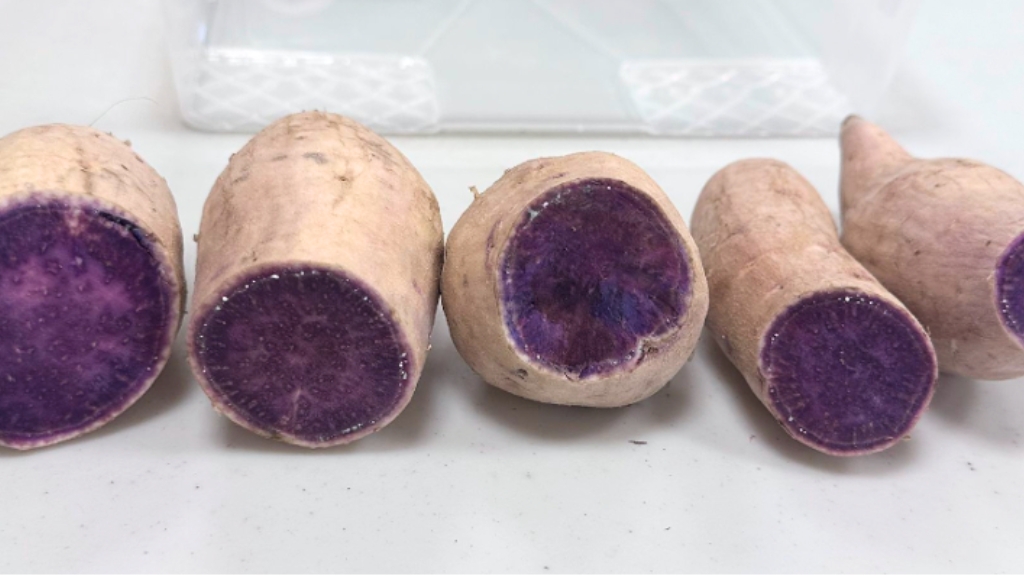
Hawaiʻi is the nation’s leading producer of purple-fleshed Okinawan sweet potatoes and traditional Hawaiian ʻuala, crops that cannot be grown successfully on the mainland. To protect this vital industry and support Hawaiʻi’s agricultural heritage, scientists at the University of Hawaiʻi at Mānoa monitor disease threats and provide growers with healthy, virus-free planting material.
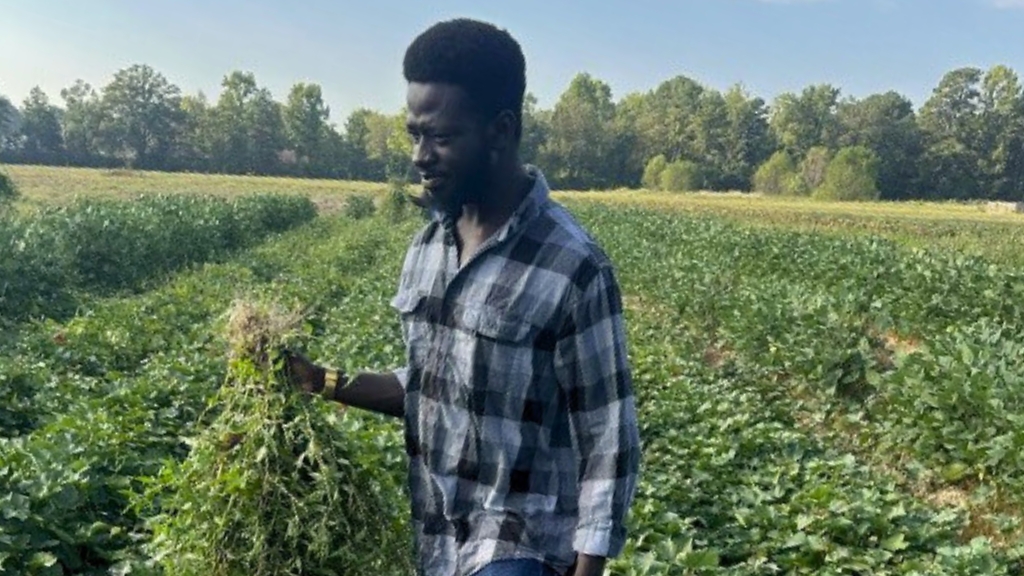
Researchers at the University of Arkansas at Pine Bluff uncovered another source of sweet potato viruses: weeds. While these diseases are often spread by insects such as whiteflies and aphids, UAPB scientists discovered that several common weed species can also harbor viruses and help infections persist from one growing season to the next. These findings are helping farmers target specific weeds to reduce disease pressure and protect crop yields.
Managing disease is only part of the challenge. In Maine, University of Maine Extension specialists help growers stay ahead of a wide range of pests through an extensive Integrated Pest Management program. In 2025, field scouting, insect traps, and forecasting tools helped growers avoid more than $4 million in losses and unnecessary pesticide costs.

Eyes on the future: AI and other new tech
Land-grant university researchers are developing new tech to help growers improve efficiency, reduce costs, and address labor challenges.
Researchers at North Carolina State University are taking a different approach to pest control: lasers. After discovering that vinegar flies can spread black rot among stored sweet potatoes, they developed a laser-based system capable of killing the insects in laboratory tests. This technology could give growers a new way to protect stored sweet potatoes and support North Carolina’s $305 million sweet potato industry.
At Mississippi State University, researchers are developing an autonomous robotic harvesting platform to help producers reduce labor costs and increase efficiency. Using cameras, sensors, and robotic arms, the system can identify, collect, and sort sweet potatoes in the field.
Technology is also making its way into day-to-day farm management. At Michigan State University’s Potato Field Day, growers learned about drones, remote sensing, and digital tools that can help monitor crop conditions and manage pests throughout the growing season.
Growing community, one spud at a time
A crop that connects.
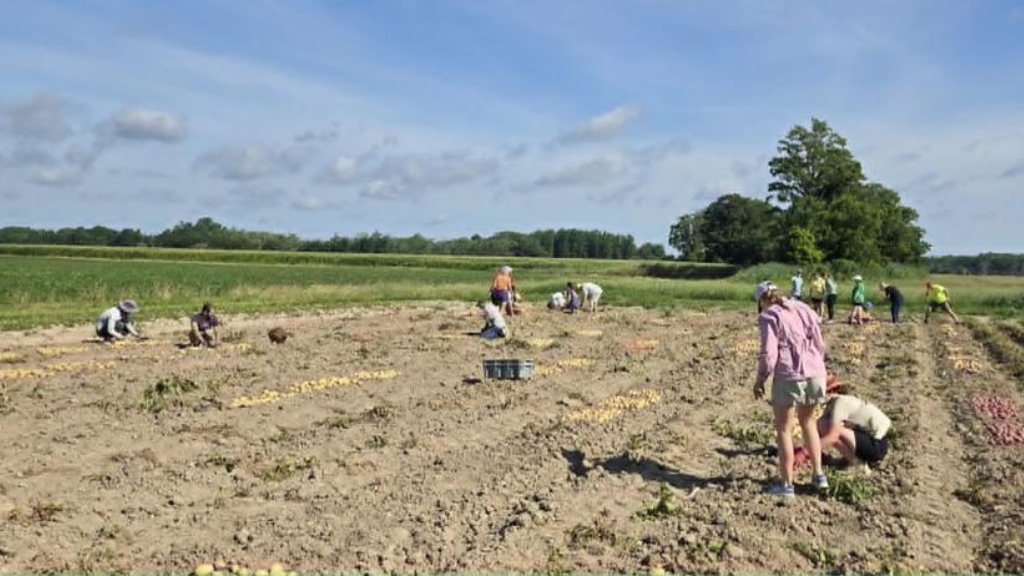
This year, North Carolina State University’s annual potato variety trial produced more than 2,200 pounds of potatoes that were no longer needed for research. Extension professionals and community volunteers harvested the crop and distributed it through food banks, pantries, soup kitchens, churches, and other local organizations.
At the University of Alaska Fairbanks, an annual potato harvest has become a community tradition. More than 130 potato varieties are evaluated each year, and the harvest provides food for local nonprofits, health care facilities, and community organizations. It also gives community members an opportunity to learn about potato production and sample new varieties.
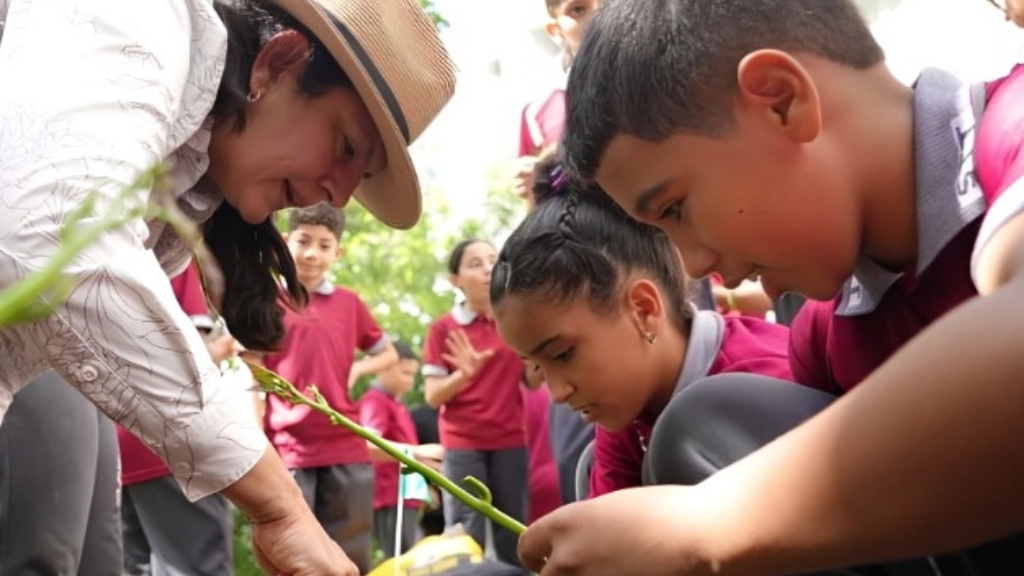
Through comics, workshops, and hands-on activities, Extension educators from the University of Puerto Rico Mayagüez reached more than 1,000 participants across Puerto Rico and the U.S. Virgin Islands last year. The program taught children, families, youth groups, and community members about sweet potatoes, nutrition, and the role of root crops in local food systems.
From developing hardier varieties to protecting crops, adopting new technologies, and strengthening communities, these stories demonstrate the many ways land-grant universities are helping potatoes and sweet potatoes thrive across the country.
Share this Post