

Across the country, land-grant universities fuel economic development by aligning research, education, and Extension with the real-world needs of farmers, entrepreneurs, and businesses. Their work supports sectors ranging from food production and forestry to agritourism, value-added manufacturing, and emerging agricultural enterprises.
From helping food businesses grow and create jobs, to advancing profitable production systems for small farmers, developing new crop varieties that open markets, and strengthening the competitiveness of major nursery industries, land-grant universities are driving innovation that benefits local economies and builds resilient communities for the future.
Featured photo courtesy of ISU Extension and Outreach.
Research aims to improve viability of regional wine production
Iowa Agriculture and Home Economics Experiment Station
Primary Funding Sources: Hatch Multistate Capacity Funds and USDA Capacity – Research.
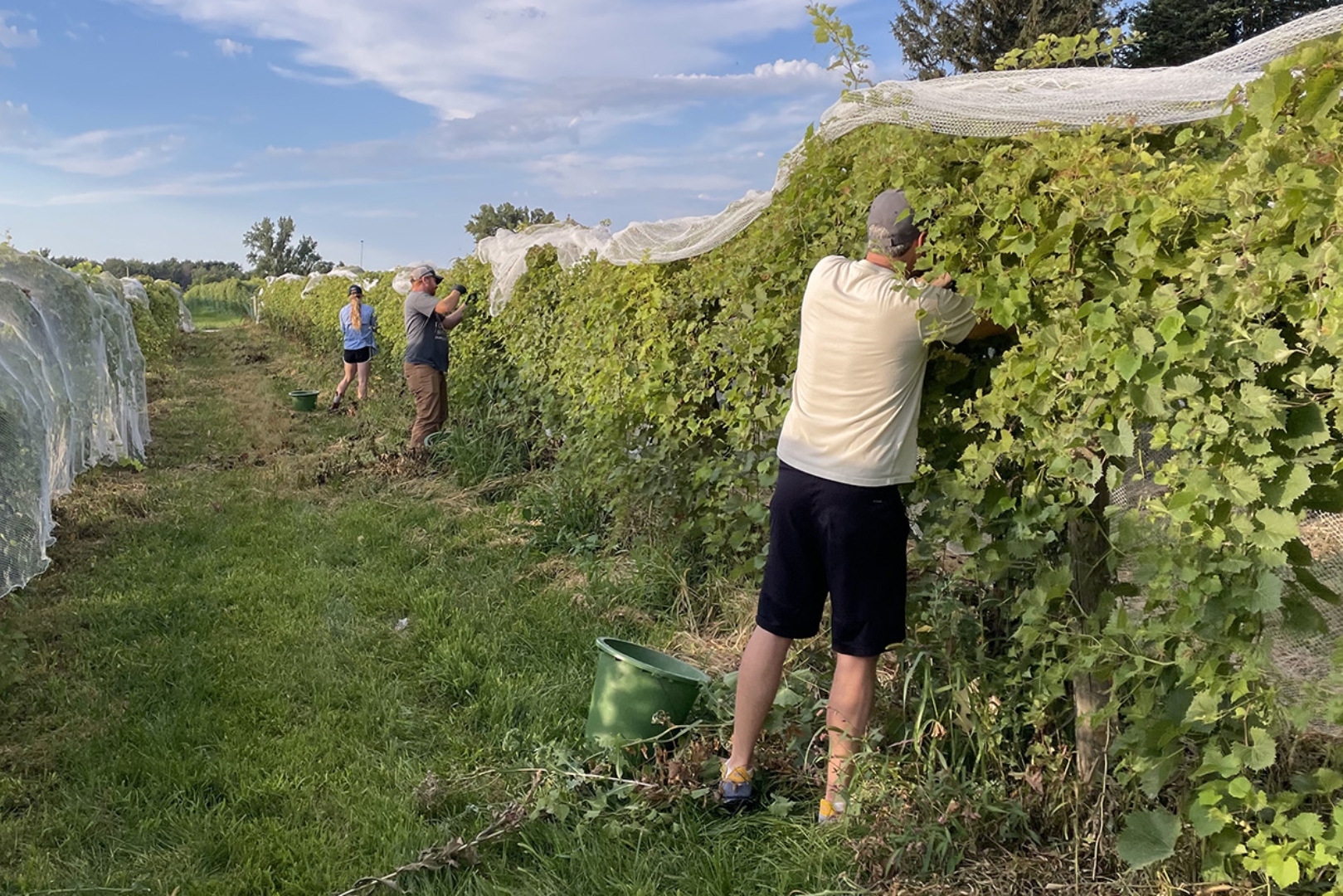
A multi-state effort led by Iowa State University supported regional grape and wine production and expanded market opportunities for the industry. The enology and viticulture industry represents significant economic value in the U.S., with potential to provide benefits outside of the West Coast’s prime wine grape-growing region.
Mizzou researchers patent first black walnut cultivar, help expand state industry
University of Missouri Agriculture Experiment Station
Funding Sources: USDA Competitive and State Appropriations.
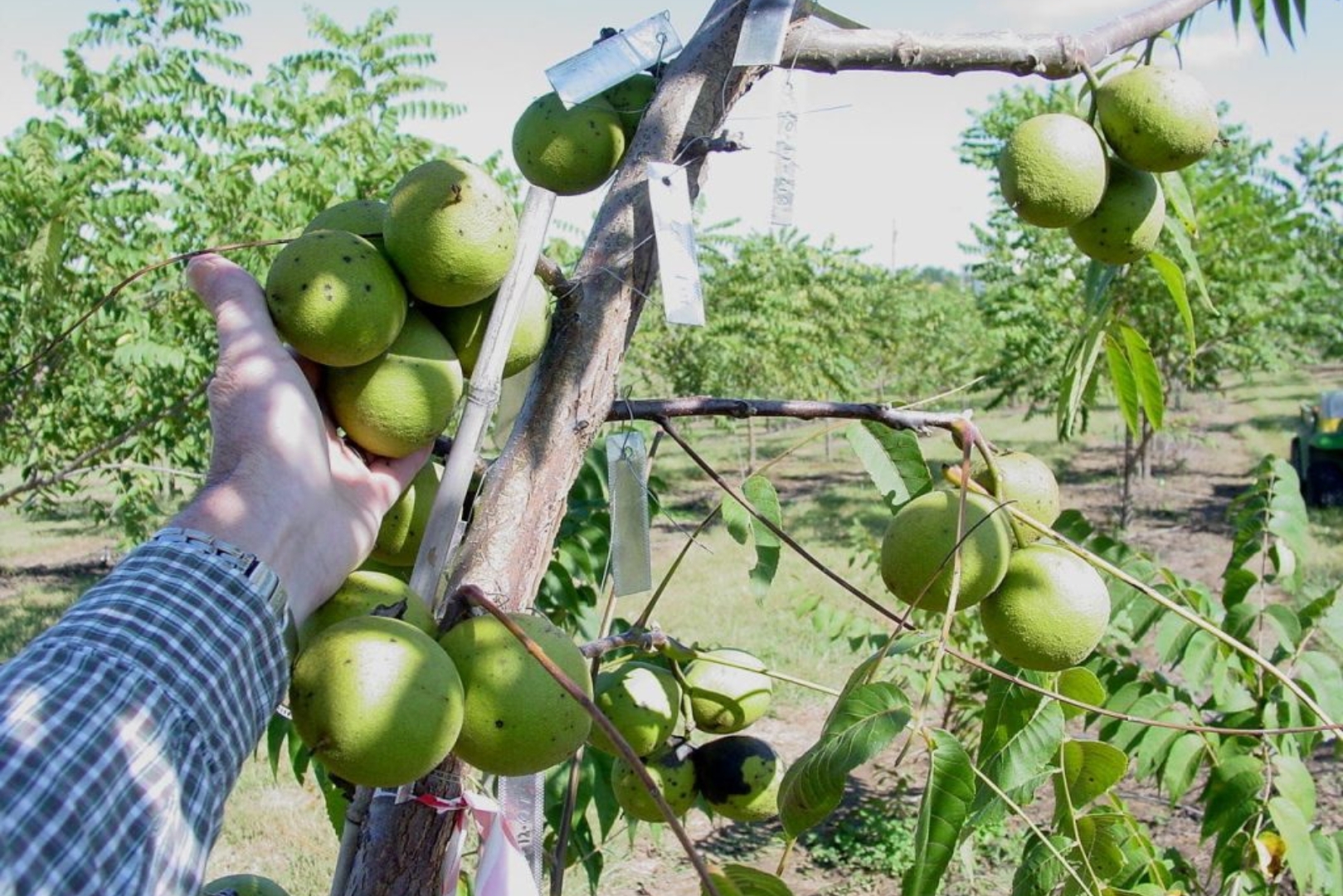
Mizzou’s newly patented “Hickman” Walnut – a product of more than 25 years of development – is a key step toward expanding Missouri’s tree nut industry, offering greater economic opportunities for growers through improved nut production.
Oregon State research vital for Oregon’s nursery industry success
Oregon State University Extension Service
Primary Funding Sources: State Appropriations and USDA Capacity – Research.
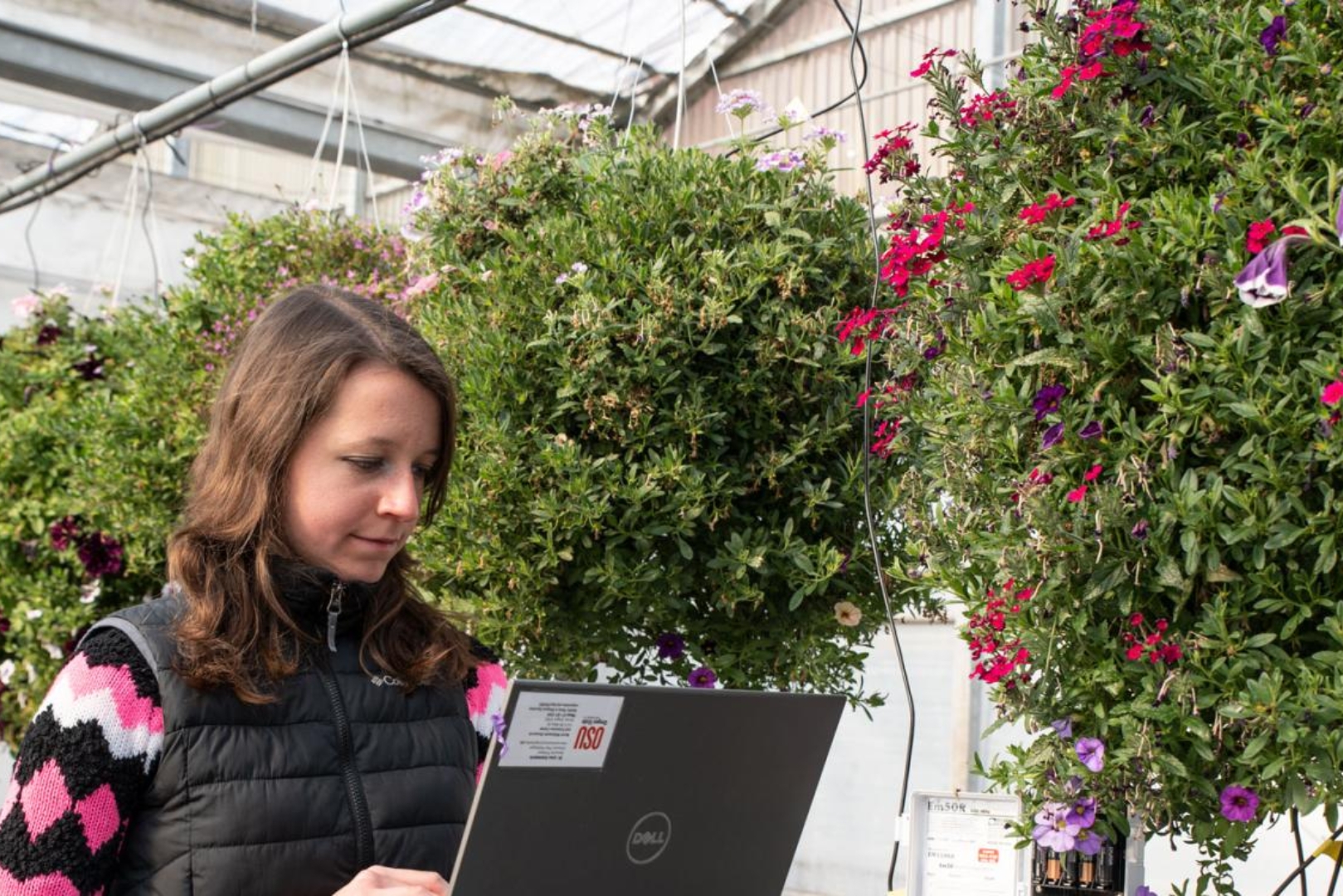
Oregon State advances precision irrigation, efficient pesticide application and stress-tolerant ornamental plants, helping Oregon’s $1 billion nursery and greenhouse industry conserve water, cut costs and remain nationally competitive.
Michigan State University Product Center drives food business growth, job creation, and innovation
Michigan State University Extension
Primary Funding Source: Smith-Lever (3b&c) Capacity Funds.

Since 2003, the Michigan State University Extension’s Product Center has supported business expansions resulting in more than $446 million in total investments and the creation of 3,729 jobs. The Center delivers statewide business development, technical expertise, and access to advanced food processing facilities to help entrepreneurs and established companies succeed.
Share this Post