
As workforce needs grow more complex, land‑grant universities play a vital role in preparing students for leadership and specialized careers. A new study from Purdue University and USDA/NIFA found that of the ~105,000k projected job openings in the food, agriculture, and natural resources sciences fields each year, 41% are in business and management and 27% are in science and engineering.
By strengthening advanced training opportunities and partnerships with employers, land‑grant universities are ensuring graduates enter the workforce ready to meet demand and drive innovation across agriculture, natural resources, and related fields.
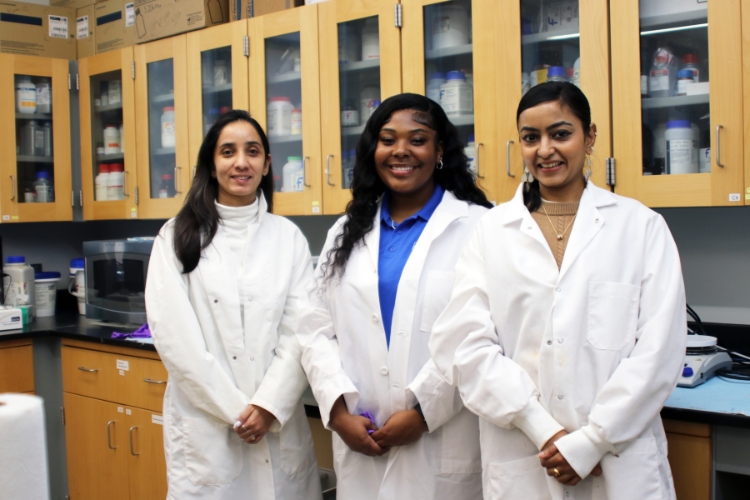
Featured photo courtesy of Tennessee State University.
UAPB and UAF partnership produces dual-degree graduates through innovative 3+1 Poultry Science Program
University of Arkansas Cooperative Extension Service – University of Arkansas at Pine Bluff
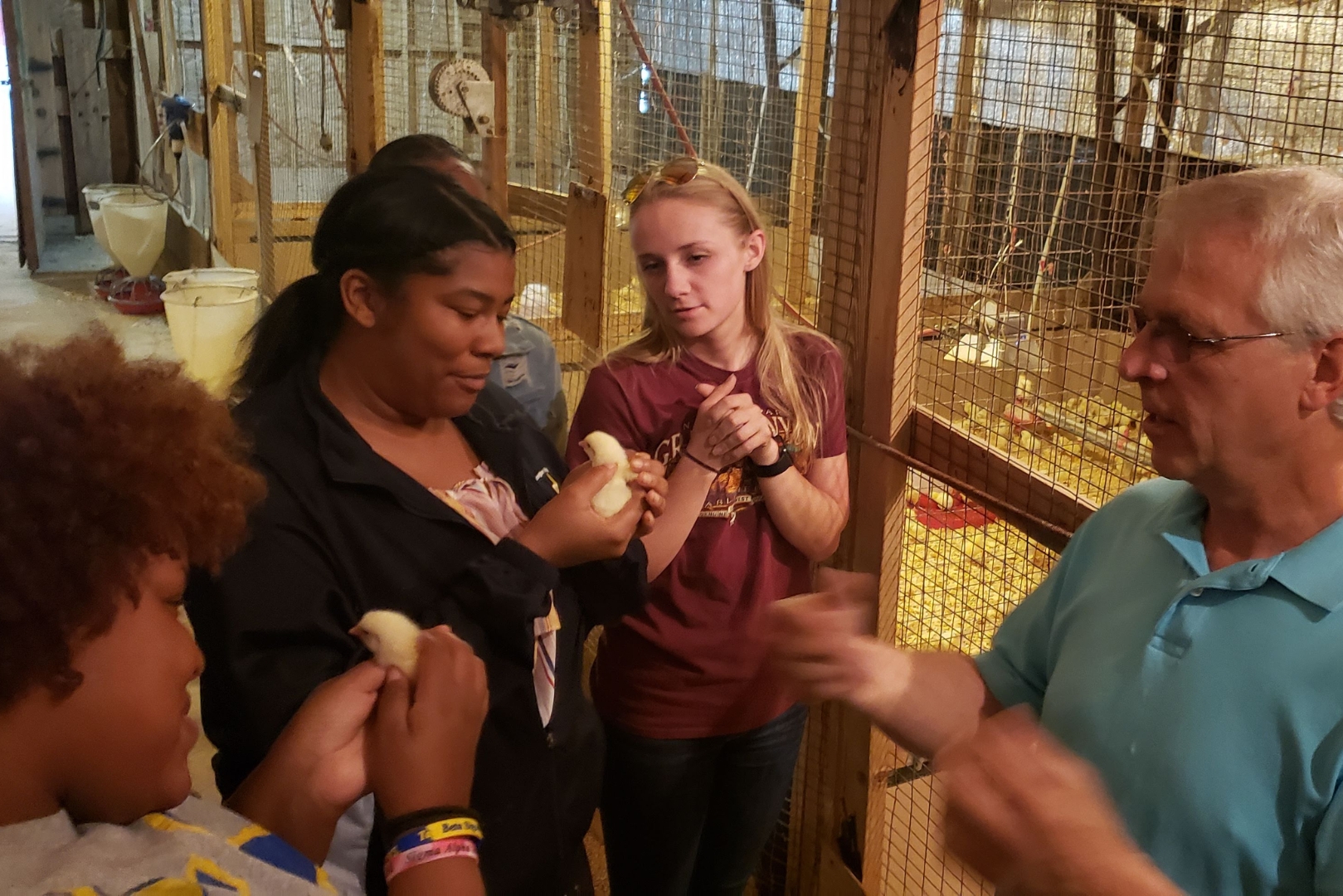
Through the 3+1 Poultry Science Program, UAPB and UAF jointly prepare students for leadership in animal and poultry industries. Graduates earn dual bachelor’s degrees, gain hands-on experience, and enter the workforce ready to meet growing demands in agricultural production and food safety.
Growing Georgia’s next generation of agricultural scientists
Fort Valley State University Agricultural Research Station

Fort Valley State University cultivates skilled entomology and plant health professionals through undergraduate research, mentorship and experiential learning, improving pest management strategies and expanding the agricultural workforce.
TSUAg students build career pathways through Farm Credit Mid-America immersion visit
Tennessee State University Agricultural Research and Extension Center

Connecting students to industry leaders strengthens the agricultural workforce pipeline and helps ensure Tennessee and the region have professionals prepared to support producers, agribusinesses and rural communities. Through corporate immersion experiences and targeted scholarships, TSUAg and Farm Credit Mid-America are expanding access to career pathways in agriculture and natural resources while preparing students for long-term success in a vital sector.
Share this Post