
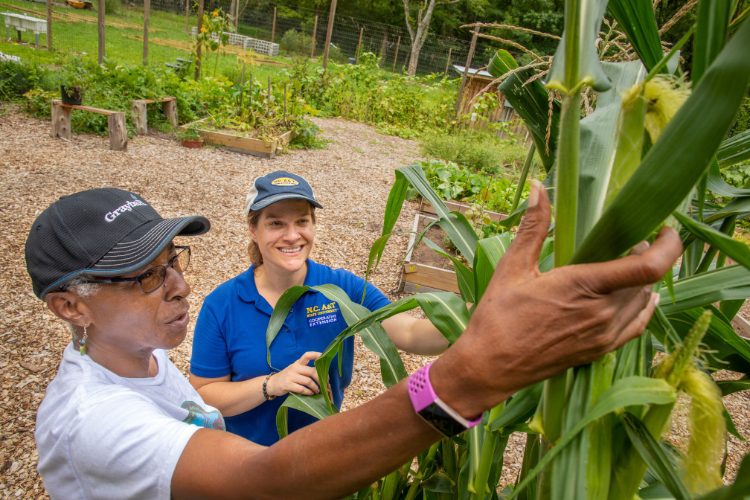
Land-grant universities form a powerful network that turns innovation into impact.
Grounded in their integrated mission of research, education, and Cooperative Extension, these institutions connect scientific discovery with real-world solutions that help bolster rural economies, build workforce skills, and enhance the well-being of communities across the country.
Featured photo courtesy of James Parker/North Carolina A&T University.
Veterans grow food, community and connection through gardening initiative
Michigan State University Extension
Primary Funding Source: Smith-Lever (3b&c) Capacity Funds

Michigan State University Extension’s Seeds in Action initiative helps veterans grow healthy food and build meaningful relationships – addressing two critical public health challenges. By promoting wellness and reducing isolation, the program honors and supports those who have served while enhancing quality of life and strengthening communities across Michigan.
Integrated beef cattle program: advancing veterinary practice success
Oklahoma Cooperative Extension Service
Primary Funding Sources: Smith-Lever (3b&c) Capacity Funds; State Appropriations.
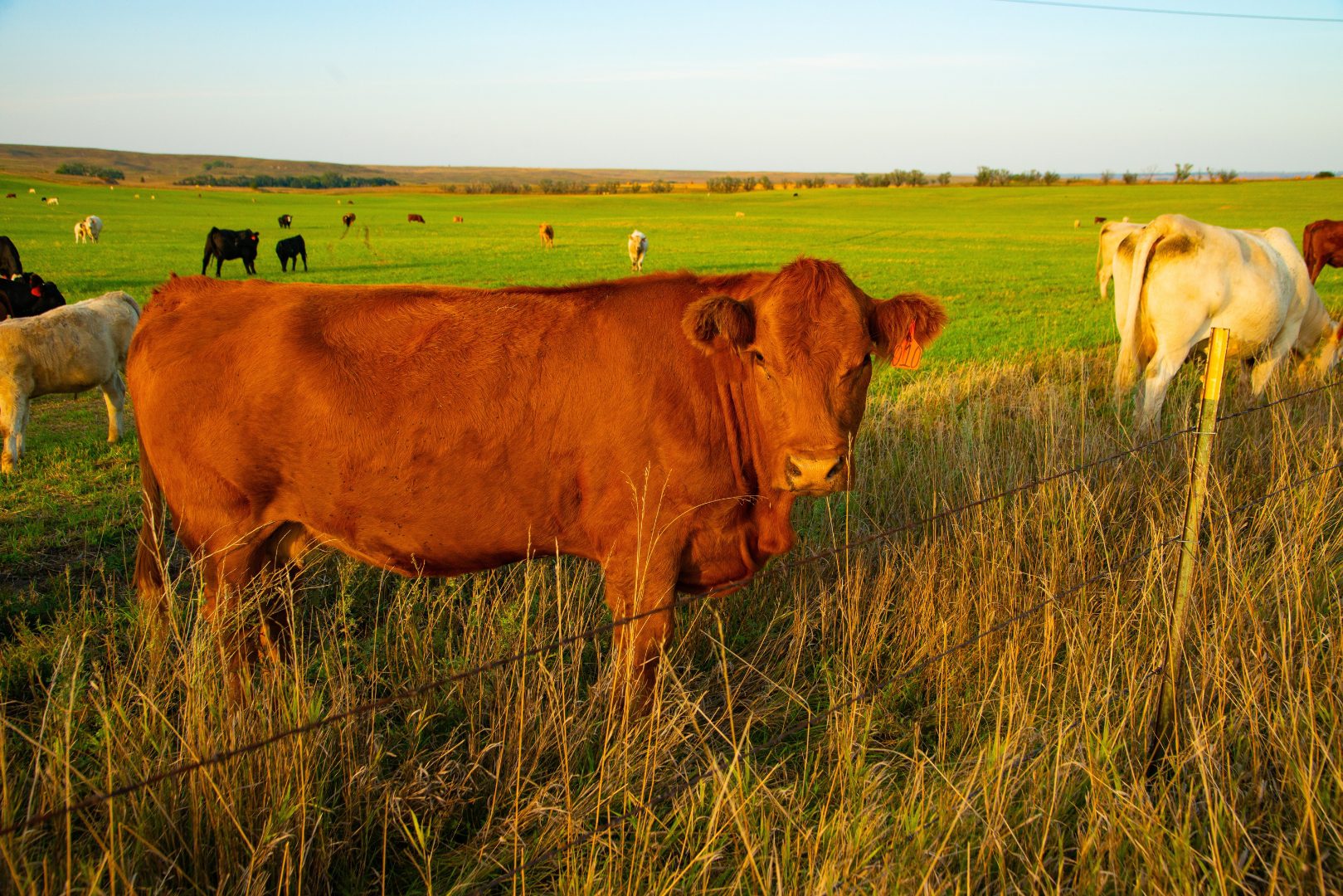
OSU’s Integrated Beef Cattle Program equips veterinarians and veterinary students with advanced herd health, nutrition, reproduction, and business management skills through hybrid training and on-farm learning. This program strengthens rural veterinary practice sustainability, enhances producer collaboration, and supports the economic vitality of Oklahoma’s beef industry.
Exploring how to support both fresh and frozen blueberry economies
University of Maine Cooperative Extension
Primary Funding Sources: Smith-Lever (3b&c) Capacity Funds; State Appropriations.

Maine’s wild blueberry industry remains a significant economic driver, generating hundreds of millions of dollars annually and supporting a wide range of related businesses, including processing plants, packaging companies, and tourism. The industry’s resilience and implementation of climate adaptation measures, such as improved irrigation and mulching, contribute to long-term sustainability. Wild Blueberry Weekend, an annual event, attracts visitors and boosts local economies. The industry’s efforts to address labor challenges, improve production methods, and enhance disease control not only benefit individual farmers but also strengthen the overall economic health of the state, providing employment opportunities and fostering community engagement.
Grower education for production of broiler chickens
University of Maryland Extension
Primary Funding Source: Fee-Based Funding; Other USDA Capacity – Extension
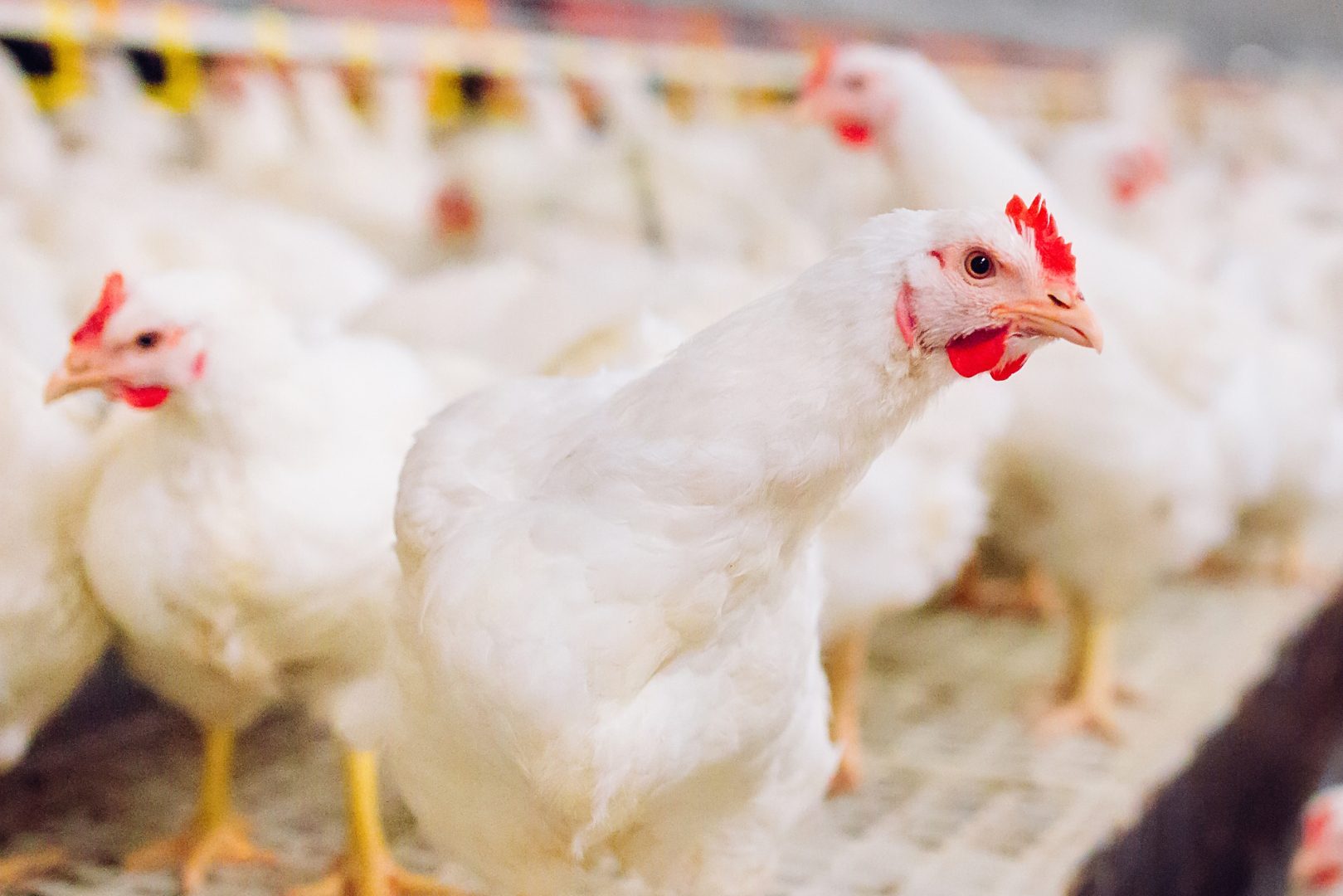
As part of the Delmarva Poultry Team, University of Maryland Extension (UME) supported the poultry industry by helping growers understand the management practices that should be implemented to demonstrate compliance with regulations. Most growers (95%) found programing beneficial to their farming operation, estimating an income increase of $2,450 to $5,200, with the average increase of $3,600 per flock as a result of UME programs.
Share this Post