

Land-grant universities stimulate economic growth by aligning research, education, and Extension with the needs of farmers, entrepreneurs, and businesses across the nation. These institutions translate discovery into practical solutions that expand markets, strengthen industries, develop new products, help producers navigate economic shifts, equip businesses with essential expertise, and create jobs. In rural communities, Cooperative Extension helps producers diversify income streams to build resilient, locally driven economies.
Rural West Virginia farmers strengthened economic prosperity through farm agritourism
West Virginia University Extension Service
Primary Funding Source: Smith-Lever (3b&c) Capacity Funds.

The WV Agritourism Farm Crawls strengthens rural economies and expands consumer access to locally produced food and agricultural experiences across West Virginia. By connecting the public directly with working farms, the Farm Crawl program also improves agricultural literacy, builds community pride, and fosters long-term support for the state’s agricultural and tourism sectors. In 2025, 80 participating farms hosted an average of 100 visitors each and reported revenue increases of up to 500%.
UMES teaches alley cropping to boost farm profits
University of Maryland Eastern Shore Extension
Primary Funding Source: 1890 Extension Capacity Funds.
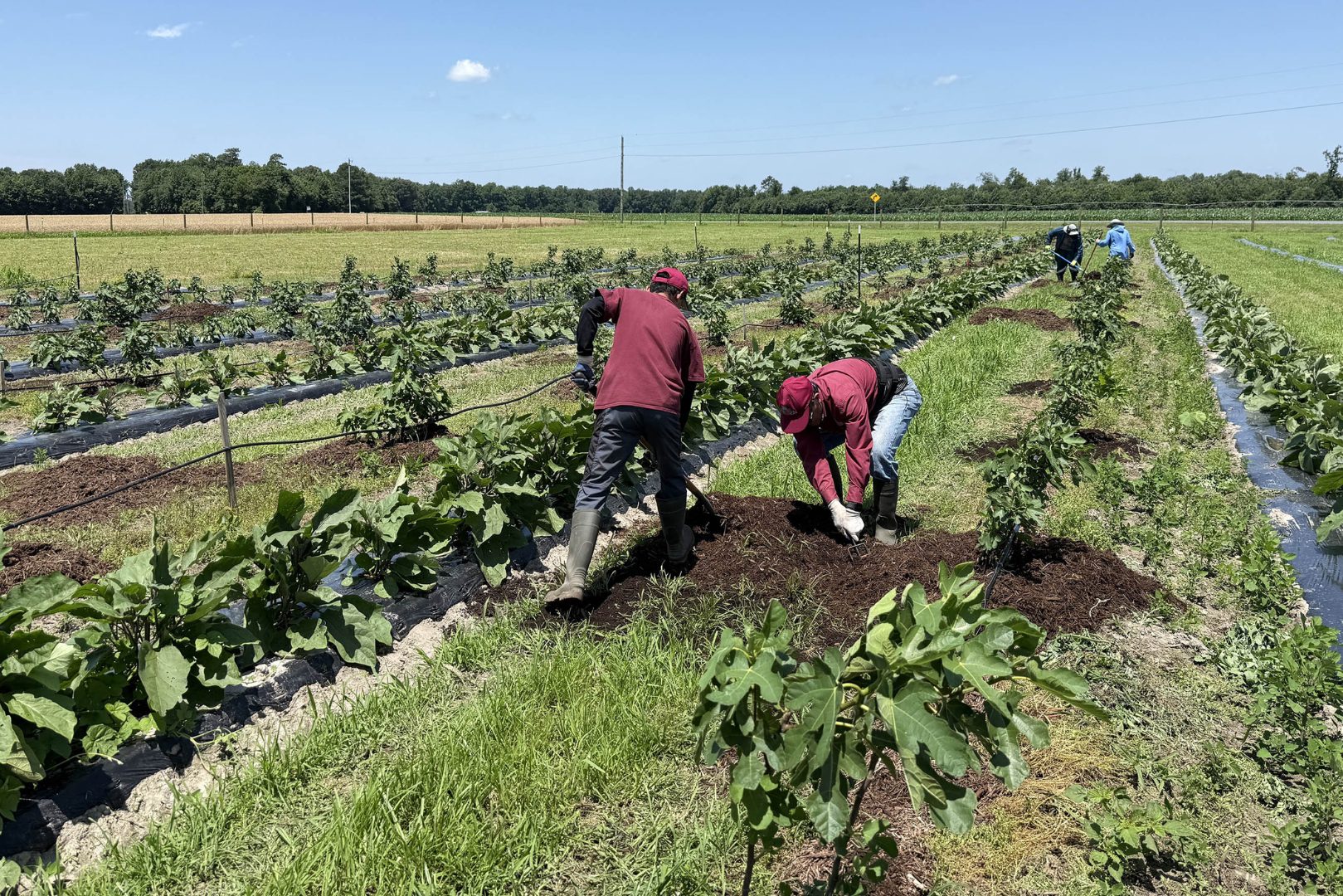
Alley cropping can increase small farmer profits by incorporating more variety and reducing water usage. Rural areas then have a greater variety of fresh, nutritionally dense food available. UMES Extension helps small-scale farmers adopt alley cropping and other profitable, ecologically friendly practices.
Extension supports economic success in rural Nevada with pomegranate research
University of Nevada, Reno Extension
Funding Sources: USDA Capacity – Research and County Funding.
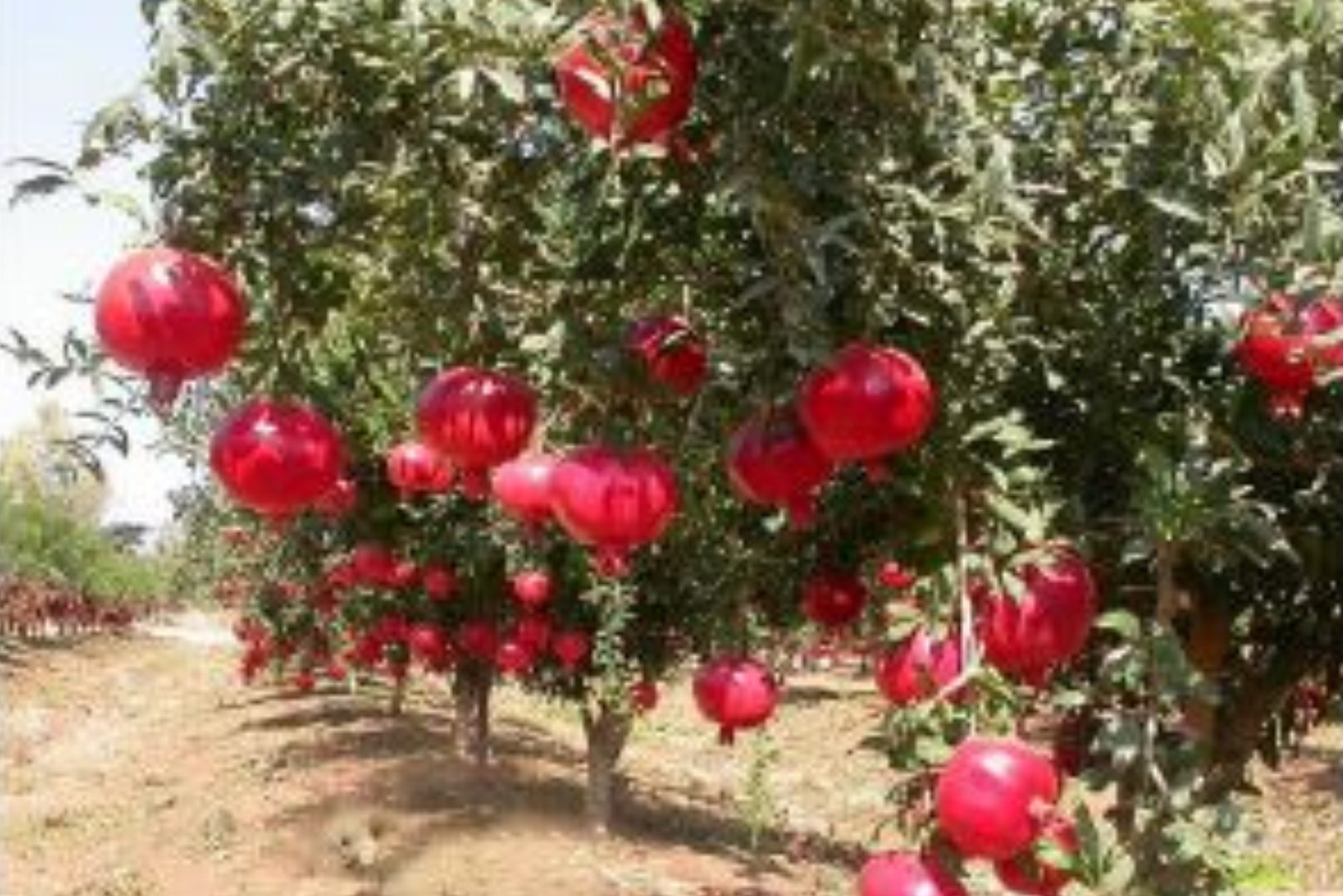
By supporting small-scale growers to adopt novel pomegranate cultivars and better respond to consumer preferences, this program strengthens local agriculture, diversifies income sources and supports rural economic resilience. In the long run, this kind of innovation reduces dependency on large corporate suppliers and helps maintain agricultural diversity and local food sovereignty.
Backyard pigs to booming business
College of Micronesia Land Grant Program
Primary Funding Source: Smith-Lever (3b&c) Capacity Funds.

The Federated States of Micronesia (FSM) relies heavily on imported pork due to a decline in local production. The Swine Production Extension Program fosters a culture of responsible livestock management, strengthens food security, and contributes to the economic resilience of the islands. Public awareness campaigns have further amplified the program’s impact by educating the broader community.
Share this Post