
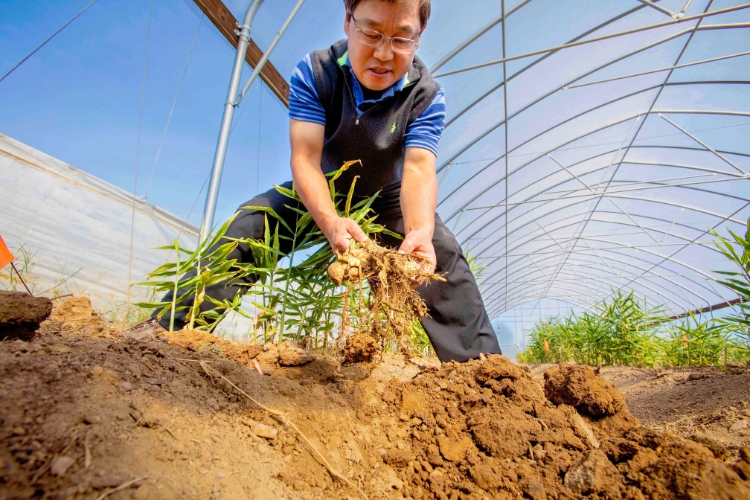
Healthy soils are the foundation of productive agriculture, supporting crop yields; efficient nutrient use; and long-term farm profitability. However, U.S. working lands lose an estimated 1.7 billion tons of soil each year, costing farmers more than $12 billion annually. Through research and Extension, land-grant universities are helping producers better understand soil health, improve fertilizer management, and adopt science-based practices that strengthen both agricultural productivity and environmental resilience.
Featured photo courtesy of James Parker/North Carolina A&T State University.
Researchers aim to fill knowledge gap on Alaska’s agriculture soils
University of Alaska Fairbanks Cooperative Extension Service
Program supported by Hatch capacity funds and USDA competitive funds.

Alaska’s agricultural soils remain among the least studied in the nation. Soil conditions vary widely across the state’s diverse landscapes and baseline data have historically been limited, creating challenges for growers, researchers, and land managers. To address this gap, University of Alaska Fairbanks researchers launched a statewide effort to assess soil health and provide actionable information to producers.
LSU AgCenter unlocks secrets beneath the soil for sweet potato yields, lower fertilizer use
LSU Ag Center.
Program supported by Hatch capacity funds and state appropriations.
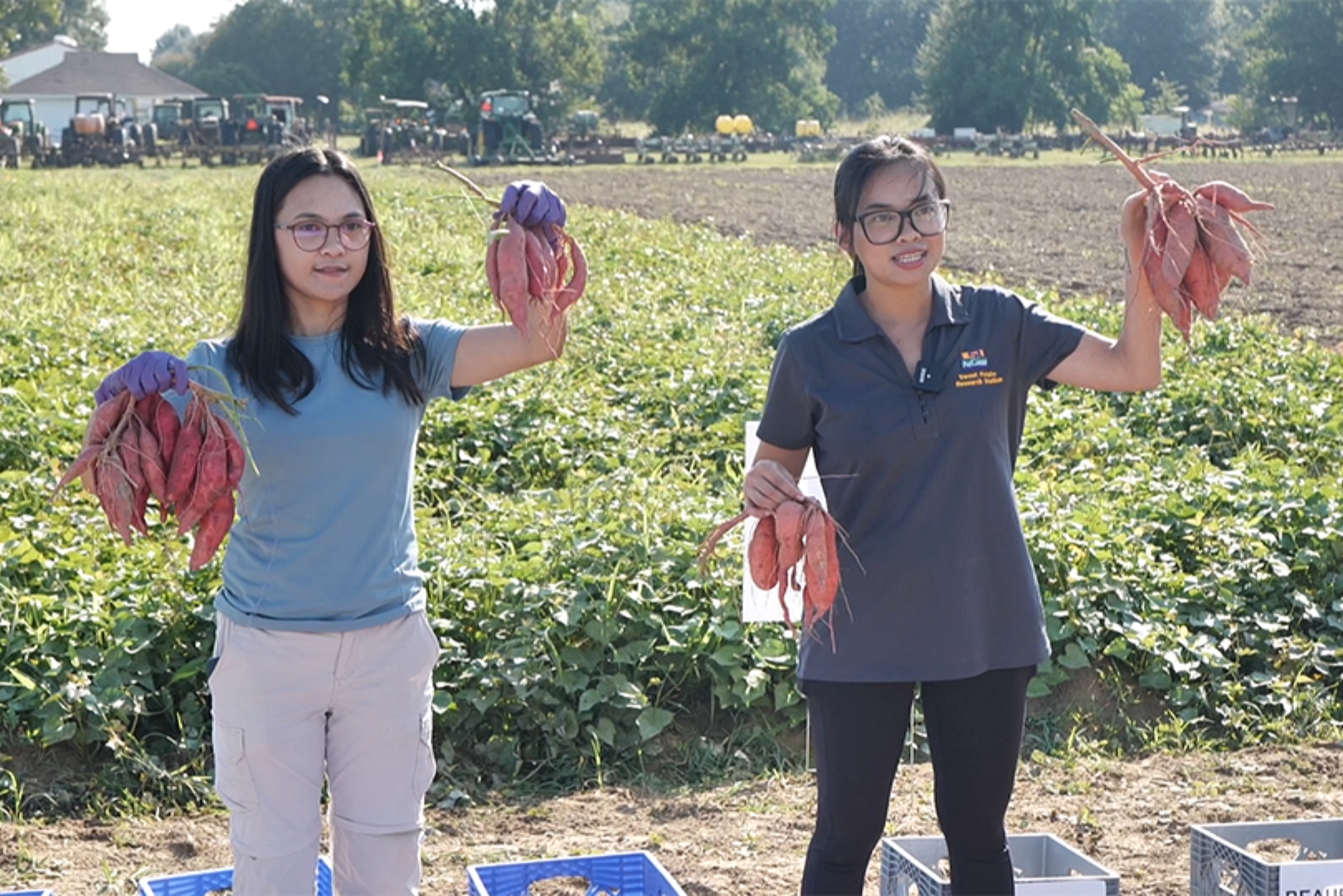
For sweet potato growers, the difference between profit and added expense may lie beneath the soil surface. LSU AgCenter researchers discovered that nutrient requirements vary by cultivar, allowing fertilizer recommendations to be tailored to specific varieties rather than applied uniformly. The resulting guidance can help farmers lower input costs, improve crop quality, and reduce environmental impacts.
Soil fertility programming across South Dakota
SDSU Extension
Program supported by Smith-Lever (3b&c) and Hatch capacity funds.
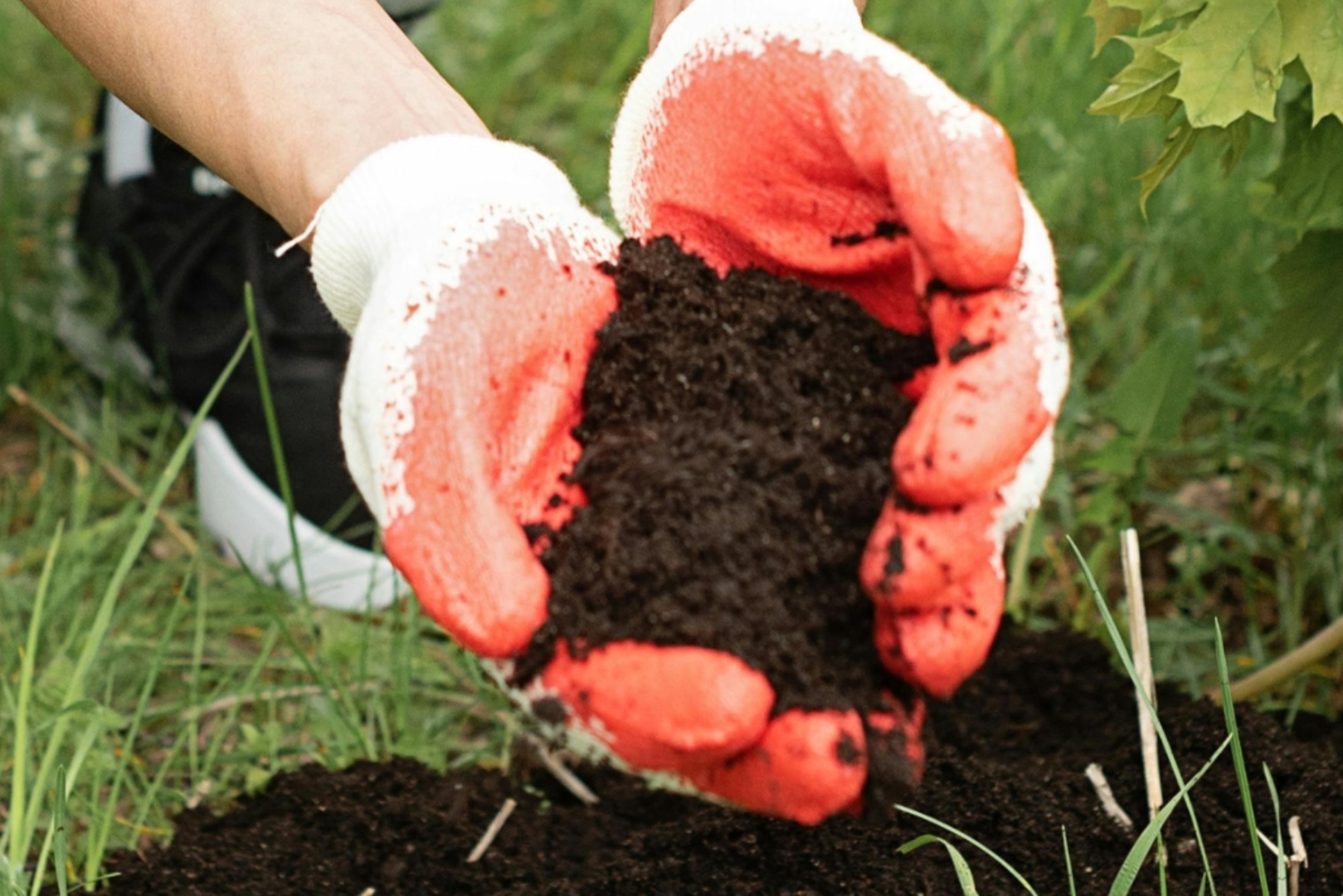
Fertilizer is one of the largest production expenses for South Dakota crop producers, making accurate recommendations critical to farm success. To help farmers optimize nutrient use, SDSU Extension combines on-farm research with educational programming that translates science into practical management strategies.
Share this Post