
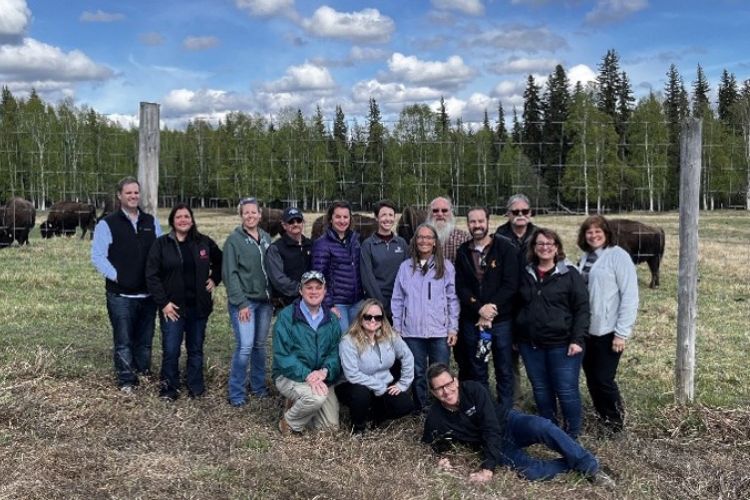
Reproductive inefficiency costs cattle and sheep producers billions of dollars each year.
For cattle and sheep producers, reproductive success drives profitability. Every missed pregnancy means fewer calves or lambs to sell, reduced herd productivity, and lower returns. Across the livestock industry, those losses add up to billions of dollars each year.
For more than 50 years, researchers at land-grant universities have worked together to address those challenges through Hatch Multistate project W4112, Reproductive Performance in Domestic Ruminants. Thanks to expertise from across the U.S., the project has generated discoveries that help producers improve reproductive performance, reduce losses, and strengthen the long-term sustainability of U.S. beef, dairy, and sheep operations.
W4112 at a Glance
- 56 years of multistate collaboration
- Up to 25% more calves through improved artificial insemination synchronization protocols
- $2,500 in potential savings per heifer through improved reproductive selection tools
- $1,000-$5,000 annual returns per ranch from reproductive management workshops
- 120+ graduate students and postdoctoral scholars trained in the past five years
Solving Complex Challenges through Collaboration
There is no single cause of reproductive loss in livestock. Genetics, nutrition, animal health, environmental conditions, and management practices all play a role. Understanding how those factors interact requires expertise from multiple disciplines and research environments.
Through W4112, researchers from land-grant universities across the country share knowledge, data, facilities, and livestock resources to tackle those challenges together. The collaboration allows discoveries to be evaluated across different climates, production systems, and management conditions, helping ensure research findings translate into practical solutions for producers nationwide.
The result is a research network that can test new ideas more quickly and across a wider range of conditions, helping producers benefit from new discoveries sooner.
Participating universities include Colorado State University, Texas A&M University, the University of Nebraska-Lincoln, University of California-Davis, Kansas State University, University of Idaho, University of Missouri, Mississippi State University, University of Wyoming, New Mexico State University, and other land-grant partners.
Five Innovations from W4112
- HH2 mutation screening to reduce embryonic loss in Holstein cattle
- The Open Cow Test for earlier identification of non-pregnant cows
- Improved artificial insemination synchronization protocols
- SLICK heat-tolerance genetics for cattle in warm climates
- Artificial intelligence tools for sperm evaluation and sire selection
From Discovery to On-Farm Impact
The success of W4112 can be seen in the tools and management practices now used by producers across the country:
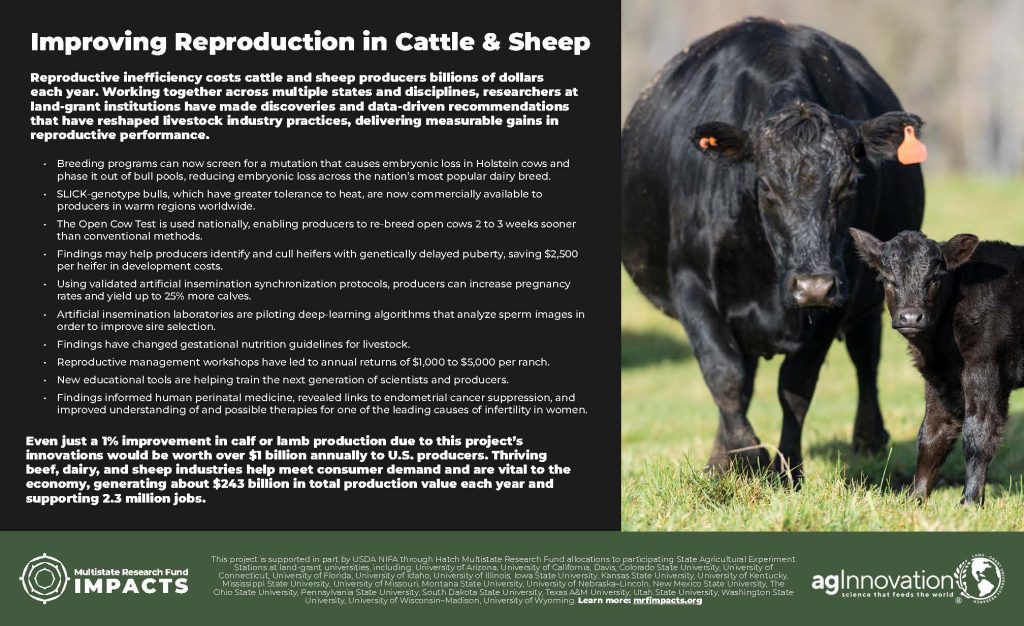
Reducing embryonic loss. Researchers identified the genetic mutation responsible for HH2, a condition associated with embryonic loss in Holstein cattle. Breeding programs can now screen for the mutation and reduce its presence in breeding populations, helping lower pregnancy losses in the nation’s most common dairy breed.
Getting cows bred sooner. The Open Cow Test enables producers to identify non-pregnant cows and return them to breeding programs two to three weeks sooner than conventional methods.
Increasing calf crops. Researchers refined artificial insemination synchronization protocols that can improve pregnancy rates and produce up to 25 percent more calves.
Improving replacement decisions. Scientists are developing tools to identify heifers with delayed puberty and reduced reproductive longevity, potentially helping producers avoid investing thousands of dollars in animals with lower reproductive potential.

Bringing Research to the Ranch
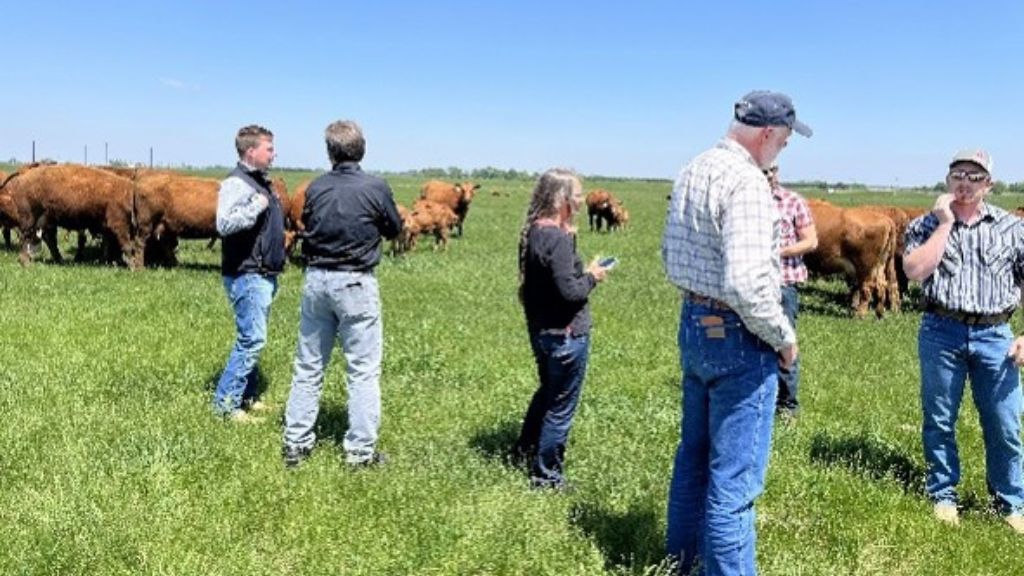
Many project participants hold both research and Extension appointments, helping move new knowledge from universities into livestock operations. Through workshops, demonstrations, and educational programs, they help producers apply the latest reproductive management practices to improve herd productivity and profitability.
Those efforts generate measurable returns. Reproductive management workshops conducted by participating institutions have produced estimated annual returns of $1,000 to $5,000 per ranch.
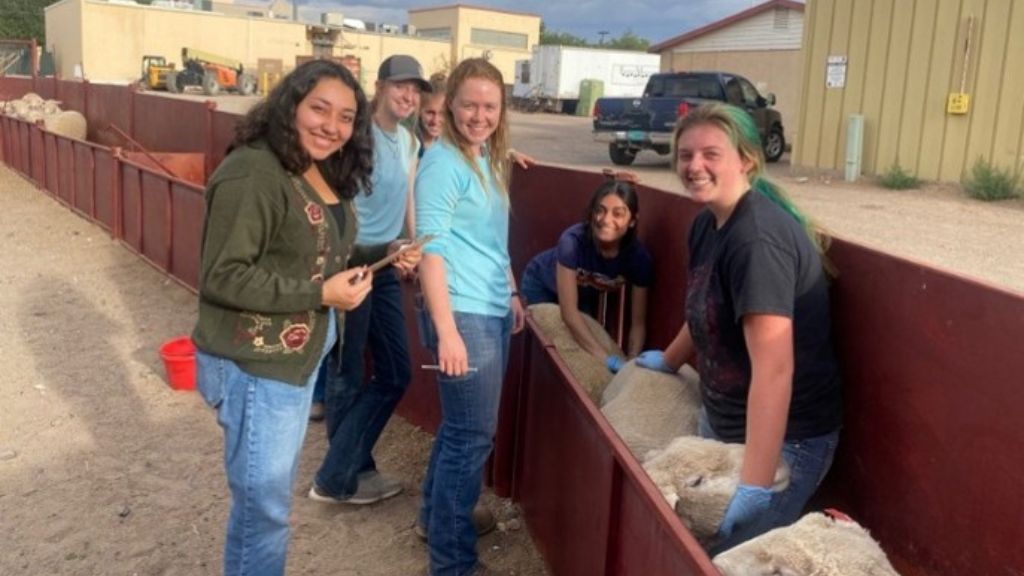
The project is also helping prepare the next generation of agricultural leaders. Over the past five years, W4112 researchers have trained more than 120 graduate students and postdoctoral scholars who will go on to serve as scientists, veterinarians, Extension professionals, and livestock industry leaders.

Benefits Beyond Agriculture
Although the project’s primary focus is livestock production, several discoveries have contributed to a broader understanding of reproductive biology.
Research conducted through W4112 has informed studies related to fertility, pregnancy outcomes, endometrial cancer, and reproductive disorders in humans. These connections highlight how investments in agricultural research often generate benefits far beyond their original scope.
Recognizing Five Decades of Impact
In recognition of its accomplishments, Hatch Multistate project W4112 received the 2026 Excellence in Multistate Research Award at the agInnovation Annual Meeting. While the award recognizes decades of scientific achievement, the project’s lasting legacy can be found in the tools, management practices, and genetic improvements now used by livestock producers across the country.
From reducing embryonic loss and improving pregnancy rates to helping producers make more informed breeding and management decisions, W4112 demonstrates the long-term value of collaborative research within the land-grant university system and its ability to deliver practical results for American agriculture.
More From: Animal Health/Management/Performance/Welfare, Artificial Intelligence and Emerging Technologies, California, Colorado, Colorado State University, Cooperative Extension, Education, Human Nutrition/Health/Wellness, Idaho, Kansas, Kansas State University, Mississippi, Mississippi State University, Missouri, Nebraska, New Mexico, New Mexico State University, North Central Region, Research, Southern Region, Texas, Texas A&M University, University of California, University of Idaho, University of Missouri, University of Nebraska-Lincoln, University of Wyoming, Western Region, Workforce Development and Readiness, WyomingShare this Post