

Every year, approximately 200,000 service members transition from military service to civilian life. At the same time, American agriculture faces a pressing need for the next generation of producers as the average U.S. farmer approaches retirement age. Across the country, land-grant universities are helping bridge that gap by providing veterans with training, mentorship, community connections, and pathways into agriculture.
Why Veterans Are a Natural Fit for Agriculture
Did you know? According to the NASS 2022 Census of Agriculture, over 289,000 farms, or about 15% of all farms, include a producer with past or current military service.
“A military uniform and a pair of farm boots tell different stories, but the people who have worn both carry the same sense of purpose. They get up each morning knowing others are counting on them, ready to give their best to something bigger than themselves.”
– Zippy Duvall, American Farm Bureau Federation, Veteran Farmers Carry Service Into a New Season
Military service and farming both demand resilience, long hours, strategic planning, and the ability to adapt when conditions change unexpectedly. Many veterans find that agriculture provides a renewed sense of mission while offering opportunities to continue serving their communities.
Cornell University’s Farm Ops Connects Veterans with Agricultural Opportunities
In New York, Cornell University’s Farm Ops program helps veterans, active-duty service members, reservists, and National Guard members explore careers in agriculture and horticulture. The program connects participants with educational opportunities, scholarships, technical training, agricultural resources, and networks of fellow veterans working in agriculture.
Clemson University Helps Veterans Build Successful Farm Businesses
At Clemson University, retired Army veterans Matt Rutter and Kara Rutter have transformed their farm into a center for veteran agricultural education and entrepreneurship. What began as informal gatherings of veterans helping one another with farm chores evolved into a comprehensive support network focused on helping veterans succeed in agriculture.
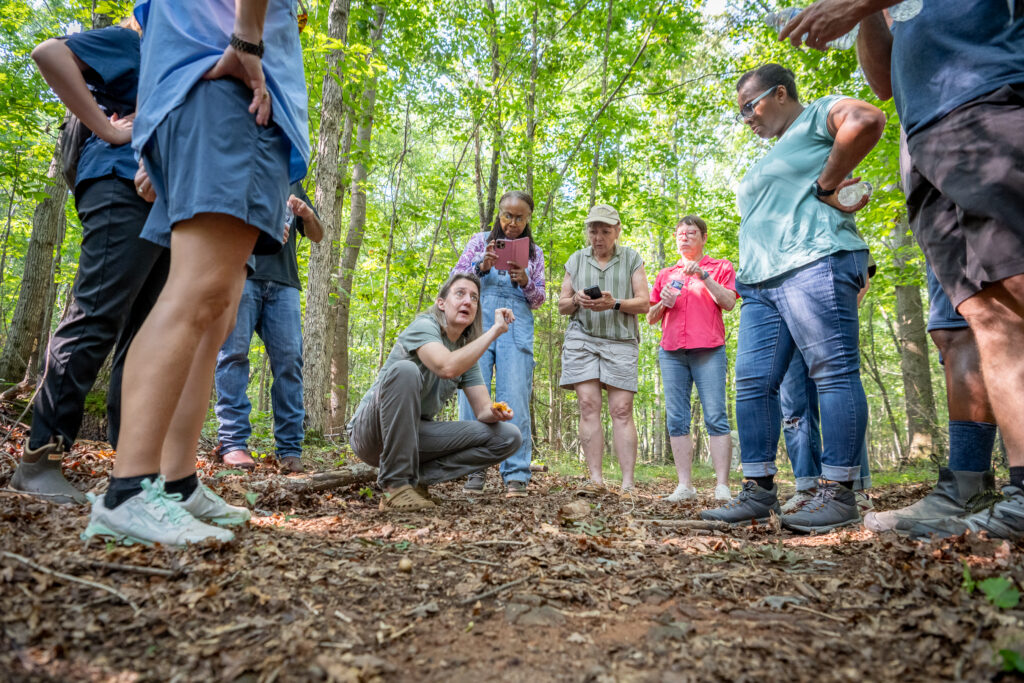
The impact has been substantial. More than 200 veterans have participated in Farmers Bootcamp programs, 80 have completed SkillBridge internships, and over 100 have taken part in Coffee and Chores networking events. Program leaders estimate that 75% to 85% of participating veterans remain involved in farming.
University of Georgia’s Farm Again Program Supports Veteran Farmers
The University of Georgia’s Farm Again program helps veterans and farmers with disabilities gain the skills, knowledge, and support needed to succeed in agriculture. Participants receive training in topics ranging from Farming 101 and business planning to farm management and grant opportunities.
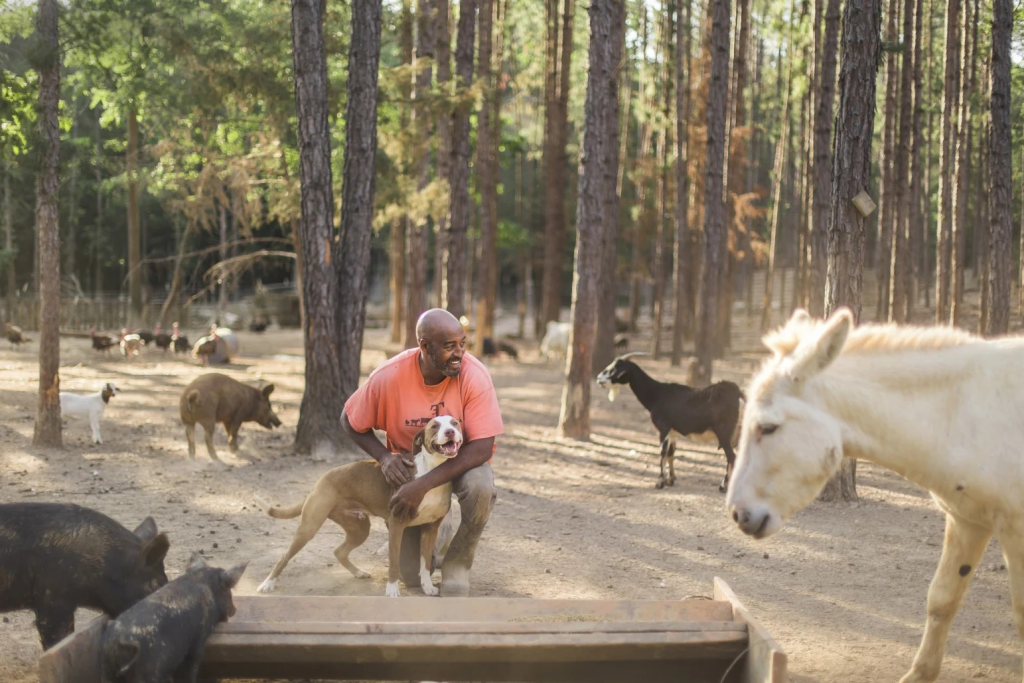
When Iteago Felton left the Army after 32 years of service, he found a new mission in agriculture. Through the University of Georgia’s Farm Again program, he gained access to training, resources, and a network of fellow veterans and farmers that helped him expand his livestock operation. Today, Felton says the program’s impact has been invaluable, helping him accomplish in a few years what might otherwise have taken a decade.
University of Missouri’s Heroes to Hives Brings Veterans into Beekeeping
The University of Missouri Extension Heroes to Hives program introduces veterans to beekeeping through a unique combination of agricultural education, wellness support, and community building. Missouri became the first state chapter of the national Heroes to Hives initiative.
Oregon State University Builds Community for Veteran Farmers
Recognizing the value of peer support, Oregon State University Extension established the Military Veterans Farmer Network to connect veterans who farm or are interested in farming. The network allows participants to share funding opportunities, exchange ideas, attend farm tours, and build relationships with fellow veterans.
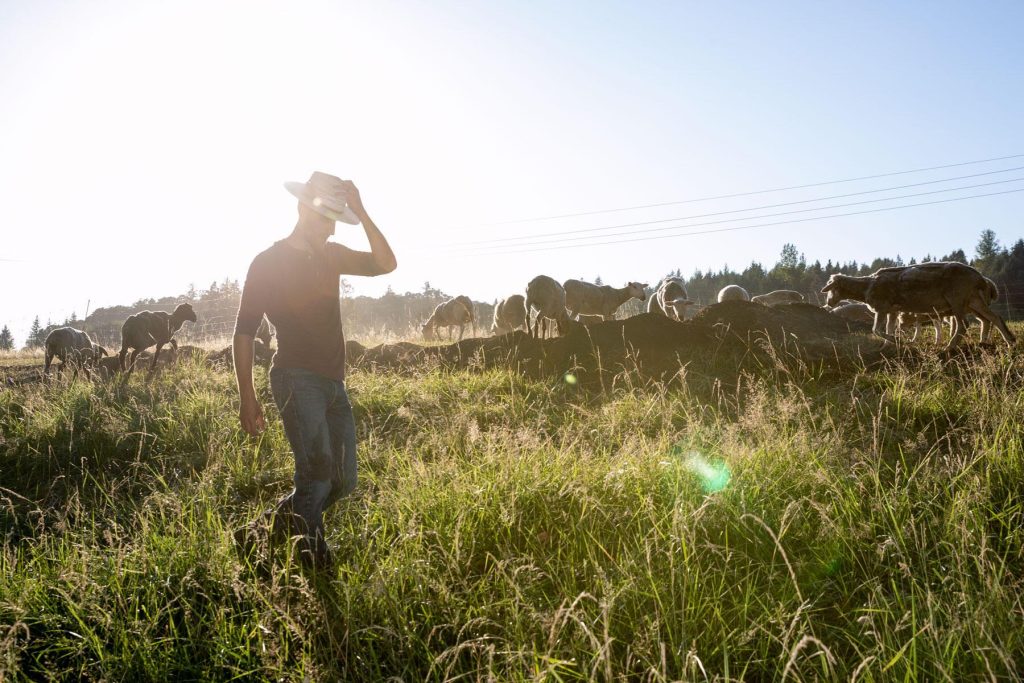
Growing up in Iowa farm country, Jacob Mogler worked on farms as a kid before joining the U.S. Marine Corps. After four years of military service and earning a degree from Oregon State University, he launched Willamette Community Lamb with his wife, Carli. Through the Military Veterans Farmer Network, Mogler found what he describes as “a bridge to kindred spirits,” connecting him with fellow veterans who understood both military service and the challenges of building a farm from the ground up.
Across the country, land-grant universities are helping veterans turn military experience into successful agricultural careers. Through education, mentorship, and community, these programs are strengthening both the next generation of farmers and the communities they serve.
Featured photo courtesy of Ken Scar/Clemson University.
More From: Child and Family Resilience, Clemson University, Community Development/Engagement, Cooperative Extension, Cornell University, Economic Development, Education, Food Security, Georgia, Missouri, New York, North Central Region, Northeastern Region, Oregon, Oregon State University, South Carolina, Southern Region, University of Georgia, University of Missouri, Western Region, Workforce Development and Readiness, Zoonotic Diseases/Avian InfluenzaShare this Post