
Did you know that September is National Preparedness Month? This year’s theme is “Americans Stand Ready.”
“The theme reflects the spirit of unity, resilience and resourcefulness that make our country strong. It’s a reminder that each of us can make a difference by taking proactive steps before a disaster strikes, and encouraging loved ones to do the same, Americans can contribute to the safety and security of the entire nation.”
For generations, land-grant universities have embodied this spirit of preparedness, helping communities build the knowledge, partnerships, and resources needed to anticipate challenges, respond effectively during crises, and recover stronger afterward.
However, this work has implications far beyond individual communities. The U.S. food and agriculture sector is one of the nation’s 16 critical infrastructure sectors, meaning disruptions can affect economic stability, public health, and national security. When communities are better prepared to withstand and recover from disasters, the entire country benefits.
Preparing Communities Before Emergencies Occur
Effective disaster response starts long before a crisis, and coordination is key.
The Oklahoma Cooperative Extension Service developed disaster assessment tools and training programs to increase preparedness and strengthen partnerships between Extension professionals, agricultural producers, and emergency management agencies. Their new damage assessment tool was successfully used during 2025 tornadoes and wildfires, revealing gaps in agricultural damage tracking and educator awareness. These efforts improved local response capabilities and positioned Extension as a leader in disaster management across Oklahoma.
Similarly, Colorado State University Extension has partnered with local organizations to help ranchers and agricultural producers prepare for increasing wildfire risks. Through workshops, educational resources, and recovery planning tools, Extension educators equipped producers with practical strategies to protect operations and recover more quickly when fires occur.
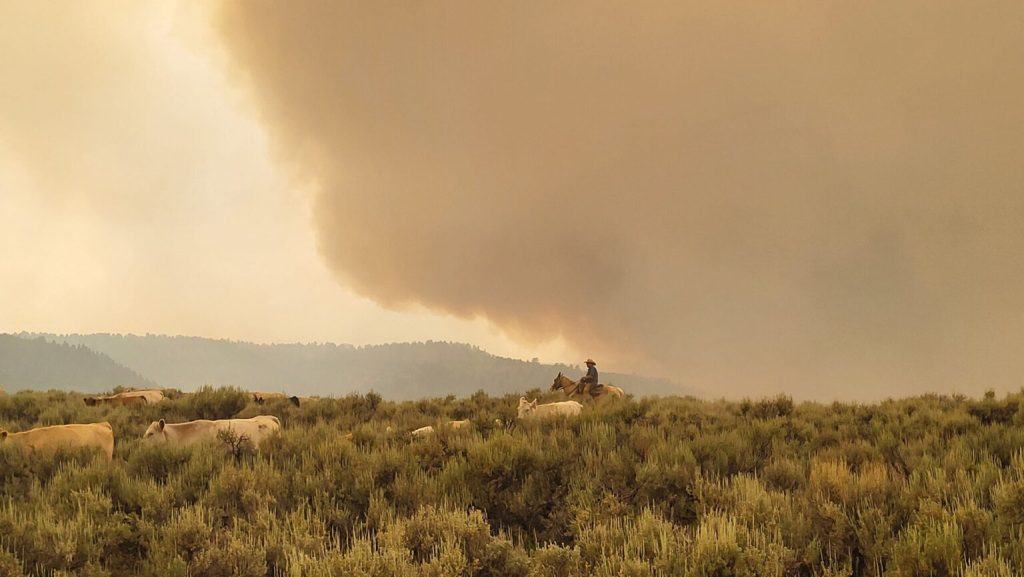
Having these resources can provide comfort and strength in dire times. One Colorado workshop participant, rancher Janie VanWinkle, reflected on her experience after the 2025 Turner Gulch fire burned her cattle grazeland:
“That connection to the landscape, as you’re seeing it disappear as you know it, that mental and emotional toll is just a lot. But the workshop gave us some assurance that we would come out the other side.”
Delivering Critical Support During Recovery
When disasters strike, Extension’s local presence allows universities to respond quickly and effectively.
After historic flooding in Kentucky, the Kentucky State University Cooperative Extension Program deployed a mobile Disaster Recovery Unit to assist displaced residents. Extension educators provided laptops and mobile hotspots to help displaced individuals complete FEMA applications, contact family members, and access recovery resources.

The team also delivered education on safe home reentry, mold cleanup, and debris disposal, while collaborating with KYSU’s 4-H Youth Development team to provide computer-based activities for children, offering families temporary relief during the crisis.
In 2025 alone, Texas experienced 31 incidents related to drought, severe weather conditions, major floods, and fires. Extension specialists from the Texas A&M AgriLife Extension Disaster Assessment and Recovery (DAR) network worked alongside emergency management teams to staff disaster recovery centers, distribute educational resources, coordinate assistance, and help affected residents access critical recovery services. More than 2,200 Texans received direct support through these efforts.
Helping Farmers and Ranchers Recover
For agricultural producers, disasters can threaten livelihoods built over generations.
Following Hurricane Helene, University of Georgia Cooperative Extension helped farmers navigate complex disaster assistance programs and recovery applications. Extension personnel assisted producers with paperwork, documentation, mapping, and application requirements, helping secure approximately $43.4 million in direct financial support across 214 assistance applications and nearly 72,000 acres of cropland, timber, and pastureland.
One participating grower stated:
“By helping with my farms ECP paperwork, Extension helped save me a lot of sleepless nights during an extremely stressful harvest time and home life situation.”
In Virginia, Virginia Cooperative Extension also provided an immediate and broad-based response to Hurricane Helene. Extension faculty developed and operated the SWVA Agriculture Relief Program, helping coordinate agricultural damage assessments across affected communities, assist relief operations, and connect farmers and forest landowners with recovery resources. The program resulted in the movement of approximately $300,000 in hay and $100,000 in other donated items to support southwest Virginia farmers in dire need. The SW 4-H Educational Center housed and fed 140 linemen working to restore power to the region.
In response to VCE efforts, a stakeholder observed in part:
“I just want to say how proud and thankful I am, as many Virginians are, for VCE’s tremendous efforts and response to the recent disaster. Great efforts. Tremendous impacts. Your community will never forget.”
Building Resilience for the Future
Beyond rebuilding infrastructure: strengthening people and communities.
After Hurricane Helene, North Carolina A&T Cooperative Extension Program, working with university and community partners, expanded access to mental health resources for farmers and ranchers coping with loss. The program provided counseling services, peer support, training opportunities, and a dedicated helpline to help agricultural producers navigate the emotional challenges of recovery.
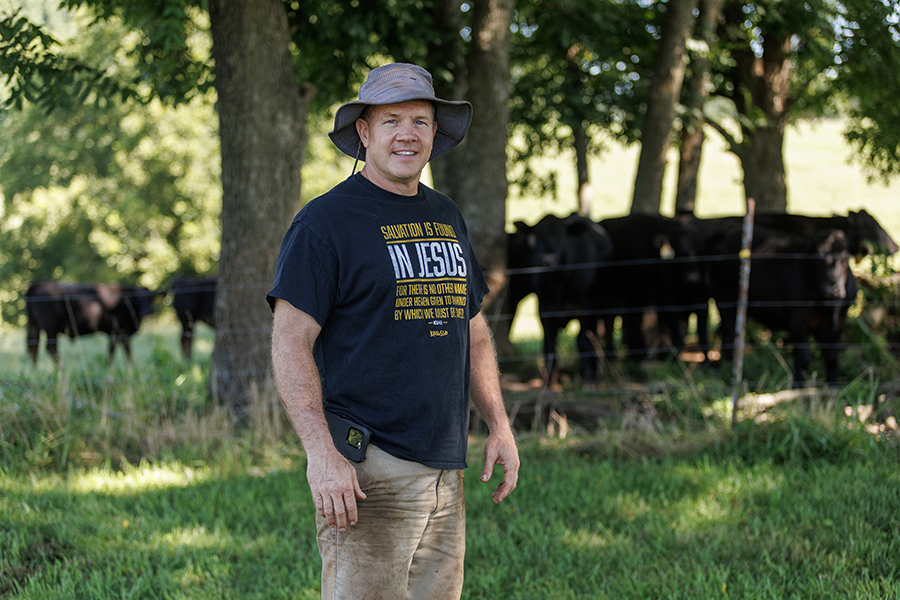
Cattle farmer Luke Beam, who received mental health services through the program said:
“This land’s been in our family for five generations and you’ve got the weight of keeping it going. That’s a unique stress to agriculture that’s not in any other industry. That’s why a special kind of resources are needed for the agriculture community.”
Communities in Puerto Rico face high vulnerability to extreme weather events. The Portugués neighborhood of Ponce remained without basic services for approximately nine months following Hurricane Maria, revealing significant weaknesses in community preparedness and access to food and support during emergencies.
The University of Puerto Rico Agricultural Extension Service worked with community leaders in Ponce to strengthen emergency preparedness, food security, and local response capacity. Through educational programs and leadership development, residents created emergency plans and established community response systems. When Hurricanes Fiona (2022) and Erin (2025) later threatened the area, volunteer leaders could rapidly respond with needed resources, including a community kitchen to provide meals and food assistance to hundreds of families.
National preparedness relies on strong communities, resilient food systems, effective partnerships, and trusted local institutions. Across the country, land-grant universities help Americans Stand Ready, allowing communities to prepare for uncertainty, respond when disaster strikes, and recover stronger than before.
Share this Post