

Through multistate research and Extension partnerships, land-grant universities are combating avian influenza, antimicrobial resistance, foodborne illness, and vector-borne diseases while strengthening the health of communities nationwide.
Disease outbreaks rarely stay confined to a single farm, community, or state. That’s because the health of people, animals, plants, and the environment are deeply interconnected. This idea, known as One Health, recognizes that solving today’s most complex health challenges requires collaboration across disciplines, industries, and communities.
Fortunately, collaboration is where the Land-grant University System excels.
Backed by a nationwide network of research and Extension partnerships, land-grant universities are uniquely positioned to address complex health challenges that cross disciplines, species, and state lines. Scientists, veterinarians, entomologists, food safety experts, environmental researchers, and Extension professionals are pooling expertise to combat threats that no single institution could tackle alone.

Protecting Poultry, Food Security, and Public Health
Avian influenza is a prime example of why a One Health approach matters: when outbreaks occur, the effects extend far beyond poultry farms, impacting food supplies, economies, wildlife, and public health.
In response, land-grant university researchers are collaborating through multistate projects to improve disease surveillance, strengthen biosecurity, develop new diagnostic tools and vaccines, and better understand how the virus spreads among domestic and wild bird populations. These efforts help protect animal health, support agricultural producers, strengthen food security, and reduce public health risks.
One major breakthrough has been the identification of genetic traits linked to avian influenza resistance in commercial egg-laying chickens. This research is helping scientists develop healthier flocks, improve breeding strategies, and advance disease prevention efforts across the poultry industry.

Slowing the Spread of Antimicrobial Resistance
Antimicrobial treatments play an important role in protecting animal health, but over time some microbes can develop resistance to these treatments. As antimicrobial resistance spreads, treatments may become less effective, increasing risks to both animal and human health.
In response, land-grant university researchers are collaborating through multistate projects to better understand how antimicrobial resistance develops and spreads, improve detection methods, evaluate management practices, and identify alternatives to antibiotics. These efforts help protect animal health, preserve the effectiveness of critical treatments, and reduce public health risks.
Key advances include the development of faster diagnostic tools, improved management practices, and alternatives to antibiotics. Together, these innovations are helping producers maintain healthy livestock while reducing the spread of antimicrobial resistance.
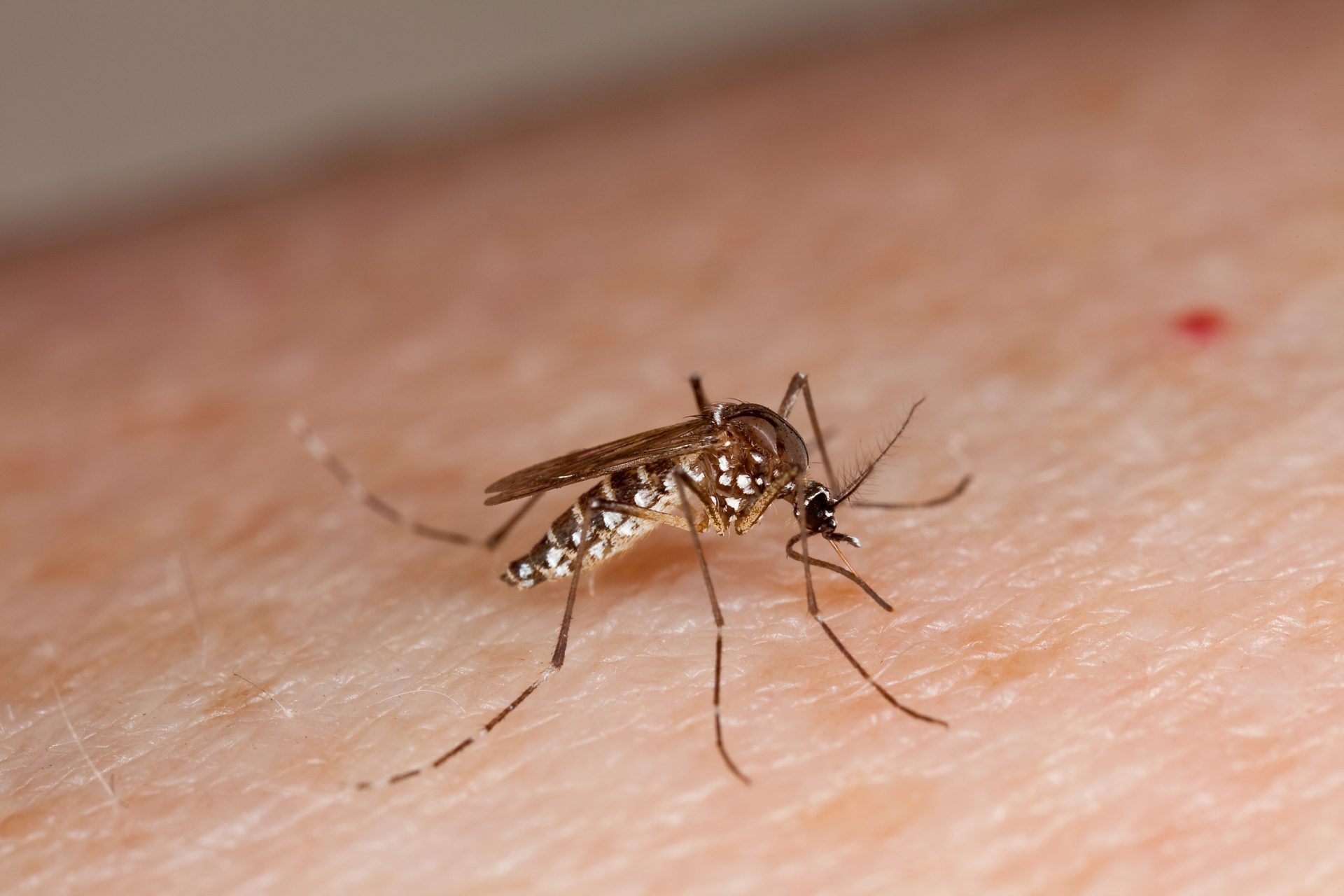
Managing Mosquitoes and Ticks
Mosquitoes and ticks can carry diseases that threaten human, animal, and environmental health, making vector-borne diseases a growing One Health challenge. As environmental conditions change, mosquitoes and ticks can spread farther, increasing the risk of disease transmission.
In response, land-grant university researchers are collaborating through multistate projects to improve disease surveillance, predict outbreaks, study vector behavior, and develop more effective management strategies. These efforts help communities prepare for emerging threats and reduce risks to public and animal health.
Technology is playing an increasingly important role in vector management. Researchers are using artificial intelligence and other advanced tools to analyze mosquito and tick populations, improve disease monitoring, and support more effective prevention strategies.

Reducing Foodborne Illness from Farm to Table
Foodborne illness can occur at any point along the food supply chain, making food safety a shared responsibility across farms, processing facilities, distribution networks, and consumers. Because people, food systems, animals, and the environment are interconnected, preventing contamination requires a coordinated One Health approach.
In response, land-grant university researchers are collaborating through multistate projects to study foodborne pathogens, improve detection and tracking methods, identify contamination risks, and develop strategies that reduce the spread of harmful microbes. These efforts help protect consumers, strengthen food system resilience, and support a safer food supply.
Researchers have developed improved methods for detecting and tracking foodborne pathogens, making it easier to identify contamination sources and respond to outbreaks more quickly. These advances are helping strengthen food safety from farm to table and reduce the risk of foodborne illness.
Whether preventing disease outbreaks, reducing foodborne illness, slowing the spread of antimicrobial resistance, or improving vector management, land-grant universities are translating research into practical solutions that strengthen the health of people, animals, and the environment.
More From: Animal Health/Management/Performance/Welfare, Artificial Intelligence and Emerging Technologies, Community Development/Engagement, Cooperative Extension, Food Safety, Food Security, Invasive Species, One Health, Public Health, Research, Wildlife, Zoonotic Diseases/Avian InfluenzaShare this Post