

Land-grant universities play a critical role in advancing resilient food systems that ensure communities across the nation have reliable access to safe, nutritious, and affordable food—today and in the future.
From farm to fork, land-grant university research and Extension are advancing food safety and nutrition while strengthening consumer confidence through practical, science-based solutions.
Featured photo courtesy of Kansas State University.
Improving Pecan Safety with Nonthermal Technologies
Fort Valley State University Agricultural Research Station
Primary Funding Source: USDA Capacity – Research
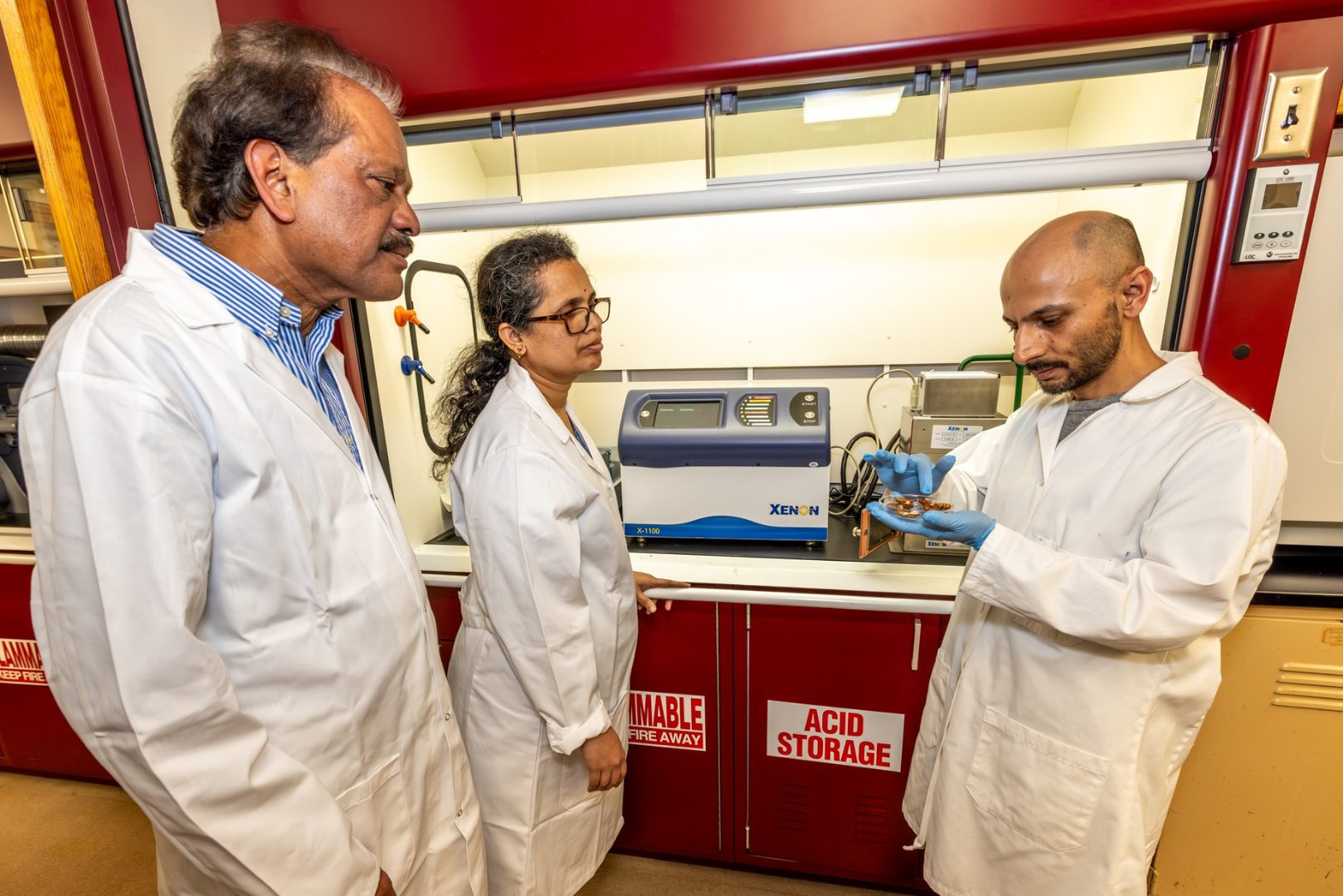
Fort Valley State University’s work provides pecan producers with practical, environmentally safe options to reduce microbial contamination while maintaining product quality. By improving safety in nut processing, this research supports consumer confidence, strengthens a major agricultural industry and helps ensure that safe, high-quality pecans remain available in the marketplace.
Billion-dollar Bacteria Breakthrough
Mississippi Agricultural & Forestry Experiment Station
Primary Funding Sources: State Appropriations and Hatch Capacity Funds
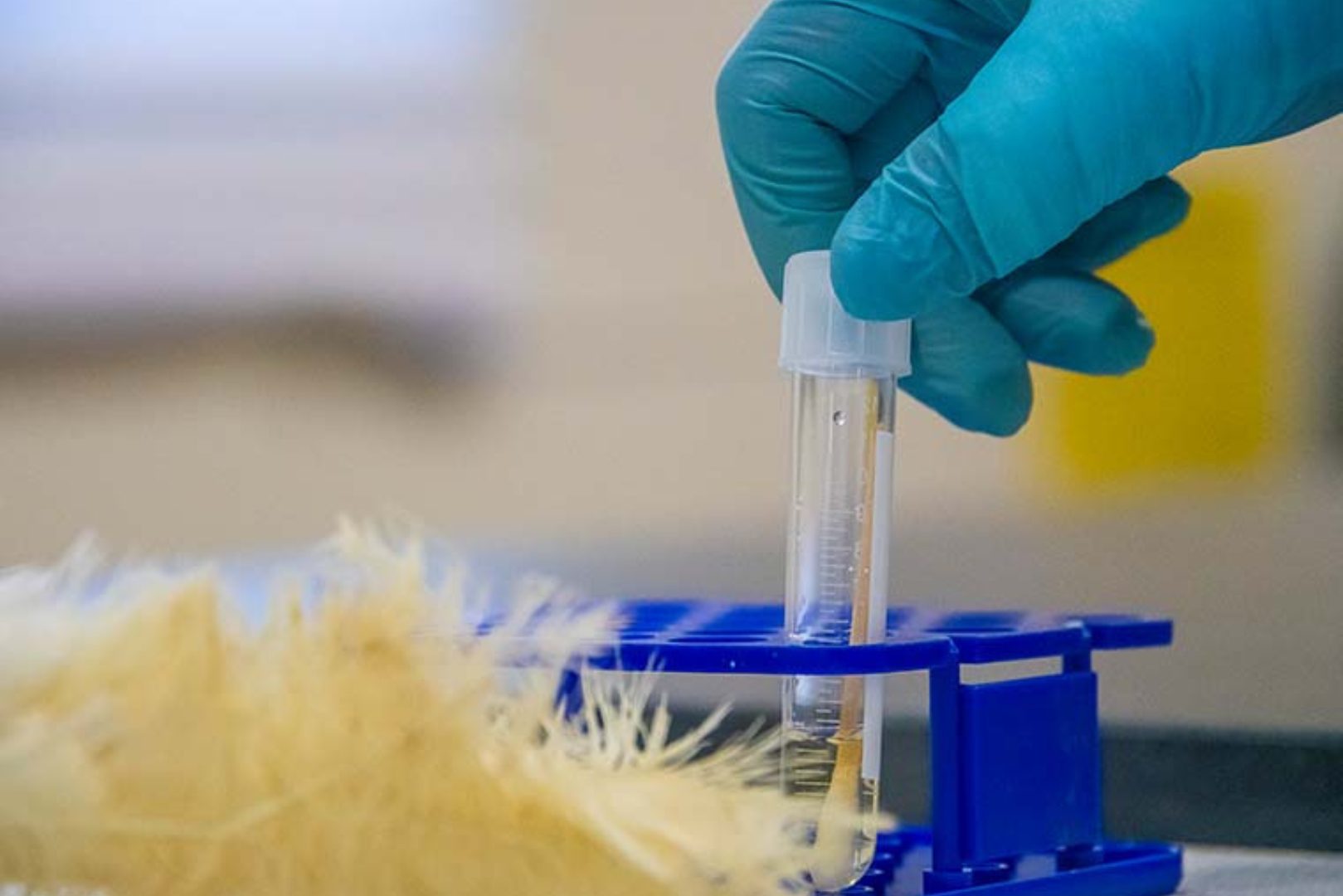
The poultry industry has a $6 billion problem: necrotic enteritis, or NE. Mississippi State University scientists in the Mississippi Agricultural and Forestry Experiment Station (MAFES) have developed a novel rapid test for C. perfringens, the bacteria responsible for necrotic enteritis in poultry. Unlike previous tests, this can be administered onsite with minimal training and is both time- and cost-effective.
Enhancing the Safety, Nutrition, and Sustainability of Hydroponic Produce
North Carolina A&T State University Agricultural Research Station
Primary Funding Source: Evans-Allen Capacity Funds
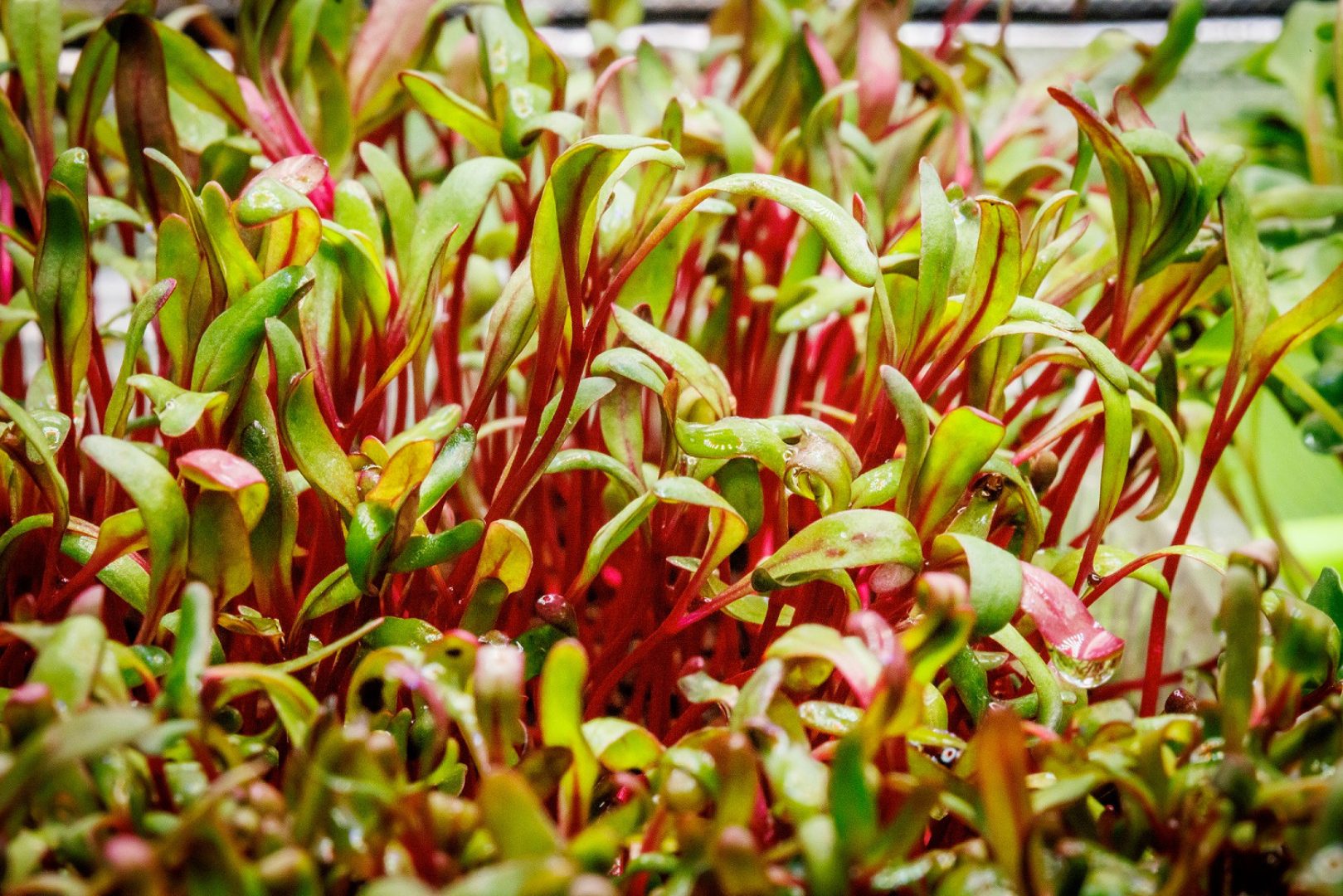
Hydroponic farming is becoming an important solution for producing safe, healthy food while conserving water, land, and energy. However, food safety risks and limited nutritional enhancement strategies remain major challenges. This project addresses these gaps by developing clean, chemical-free technologies—laser and ultrasound—to reduce harmful bacteria and improve the nutritional quality of hydroponic produce. In addition, understanding growers’ needs ensures these innovations are practical and widely adopted, strengthening local agriculture and consumer confidence.
Advanced Seafood Safety and Quality Techniques Give Producers Valuable Assessments in Seconds – Not Days
Virginia Agricultural Experiment Station
Primary Funding Source: Hatch Capacity Funds

The Virginia Seafood Agricultural Research and Extension Center is developing a non-destructive seafood analysis tool to detect critical safety and quality information. These strategies can significantly reduce processing delays and spoilage risk, improving the competitiveness of Virginia’s seafood economy in national markets. Reducing testing time from days to seconds would give seafood processors access to real-time product safety and quality information about their supply chain. There is a potential to transform subjective quality assessments and delayed safety testing into automated, objective measurements in a fraction of the time.
WVSU Researchers Advancing Microgreens Safety
West VA State University Agricultural and Environmental Research Station
Primary Funding Source: USDA Capacity – Research

WVSU researchers are studying the effectiveness of biocontrol agents in reducing Salmonella levels during the cultivation of microgreens. Using bacteriophages as a biocontrol can reduce the risk of foodborne pathogens like Salmonella while maintaining the quality of these crops. This initiative aligns with the growing demand for chemical-free produce and helps protect public health by improving food safety without compromising quality.
Share this Post