

America’s water resources are under growing pressure, from nutrient pollution and invasive species to drought and climate-driven variability. Protecting these systems requires science-based solutions. From mapping contaminants in critical watersheds to equipping decision-makers with precision tools and empowering communities to prevent ecological threats, land-grant universities are helping safeguard water quality and ecosystem health.
Together, their efforts are strengthening the resilience of the rivers, lakes, and groundwater systems that sustain agriculture, support biodiversity, and provide safe drinking water for millions of Americans.
Protecting valuable water resources
Cornell University; Purdue University; University of Georgia; Oregon State University; University of Vermont; University of Maryland.
Funded by Hatch; Smith-Lever (3b&c); USDA Competitive; USDA Capacity – Research.

Water resources that sustain agriculture and communities continue to face critical challenges. Land-grant universities are working to discover new ways to increase water use efficiency, reduce water use and protect water quality. This cross-institution summary highlights multiple land-grant efforts — from increasing water use efficiency to improving watershed co-management practices across states.
Precision monitoring aids decision makers and stakeholders in protecting key watersheds
University of Kentucky; Central State University; University of Wisconsin; Michigan State University; Mississippi State University; University of Nebraska-Lincoln.
Funded by Hatch Multistate; Evans Allen; Smith-Lever (3b&c); USDA Competitive.

Nutrient pollution, biodiversity losses and weather variability pose extraordinary challenges for the sustainability of natural ecosystems and the species that inhabit them. Land-grant universities are developing and applying emerging technologies that can help to more efficiently, accurately and safely monitor, measure and precisely manage these systems with minimal environmental impact.
The occurrence and persistence of surface water contaminants across different landscapes
University of Kentucky
Primary Funding Source: Hatch Multistate Capacity Funds.

University of Kentucky researchers mapped 77 pollutants across eight watersheds and demonstrated wetland treatments that intercept them—actionable knowledge for safeguarding the state’s drinking-water sources.
Preventing the spread of aquatic invasive species in Michigan
Michigan State University
Primary Funding Source: Smith-Lever (3b&c) Capacity Funds.

The Reduce Invasive Pet and Plant Escapes (RIPPLE) program empowers Michigan residents, retailers, and organizations to prevent the spread of aquatic invasive species. By bridging knowledge gaps and fostering partnerships, Michigan State University Extension is safeguarding Michigan’s aquatic ecosystems and promoting responsible stewardship of natural resources.
Tracking drought from space: new tool shows climate trends across Arkansas
University of Arkansas
Primary Funding Source: McIntire-Stennis Capacity Funds.
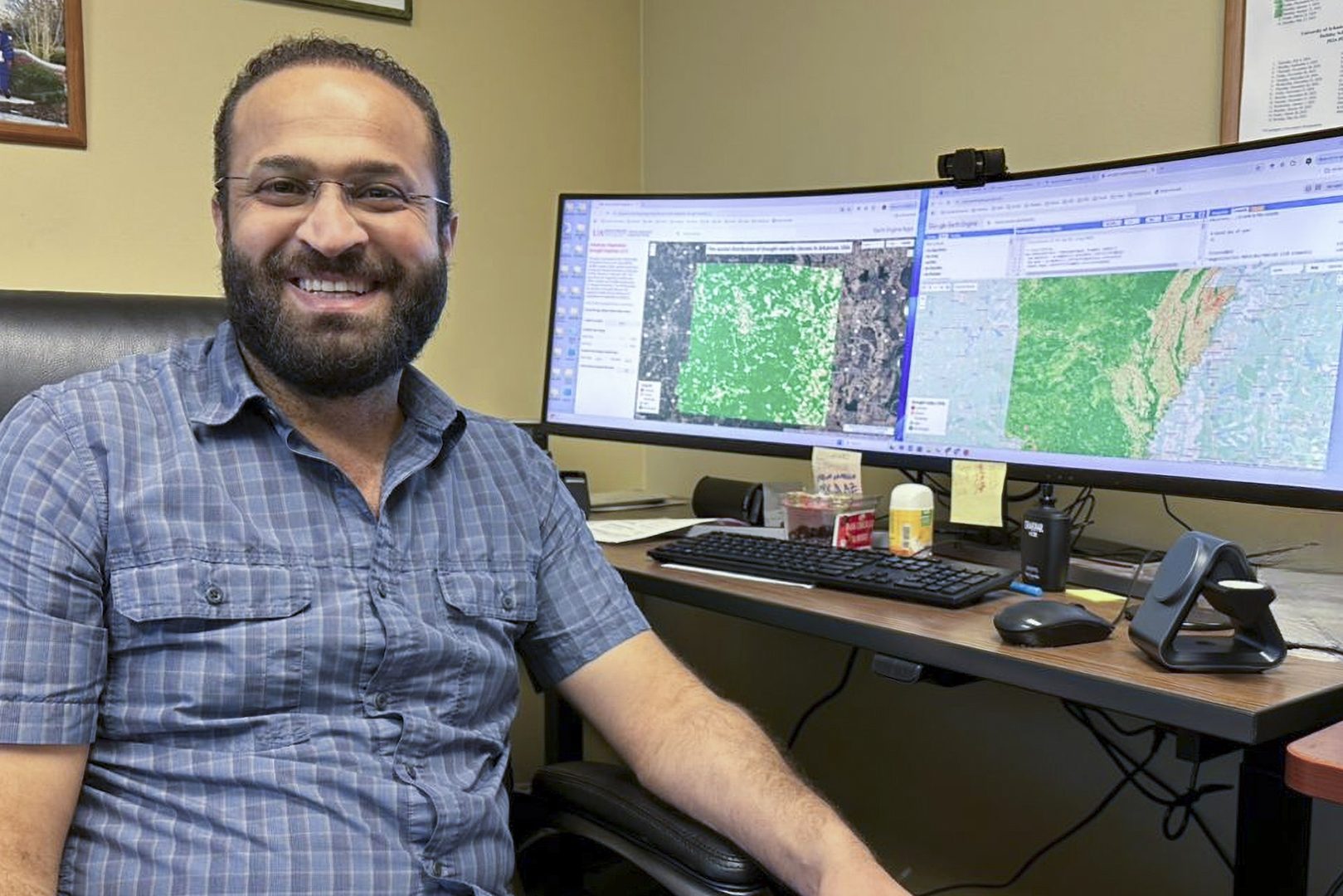
Arkansas agriculture is vulnerable to drought, but the state lacks a centralized office to systematically track these changes. A new interactive web tool, the Arkansas Vegetation Drought Explorer v.2.0, developed by Arkansas Agricultural Experiment Station researchers, uses satellite imagery to monitor and map drought conditions across Arkansas. The study, published in Ecological Indicators, revealed a trend of increasing short-term droughts in key agricultural regions like the Delta. The research offers valuable data for farmers, environmental planners and policymakers to better anticipate and respond to drought impacts.
Share this Post