
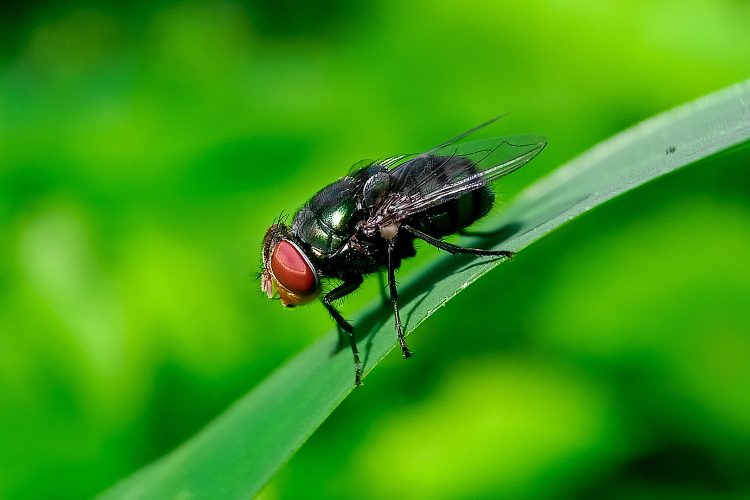
As federal and state agencies strengthen surveillance for the New World screwworm, land‑grant universities in the Southwest are emerging as critical partners in national preparedness. From Texas to California, research stations, veterinary labs, and Cooperative Extension experts are mobilizing to protect livestock, wildlife, and rural economies.
In moments of emerging agricultural threats, science must quickly move from the lab to the field. Through the land‑grant mission, universities help ensure that new knowledge reaches producers and communities when they need it most.
What is the New World screwworm? Get the facts from Texas A&M
Texas A&M University
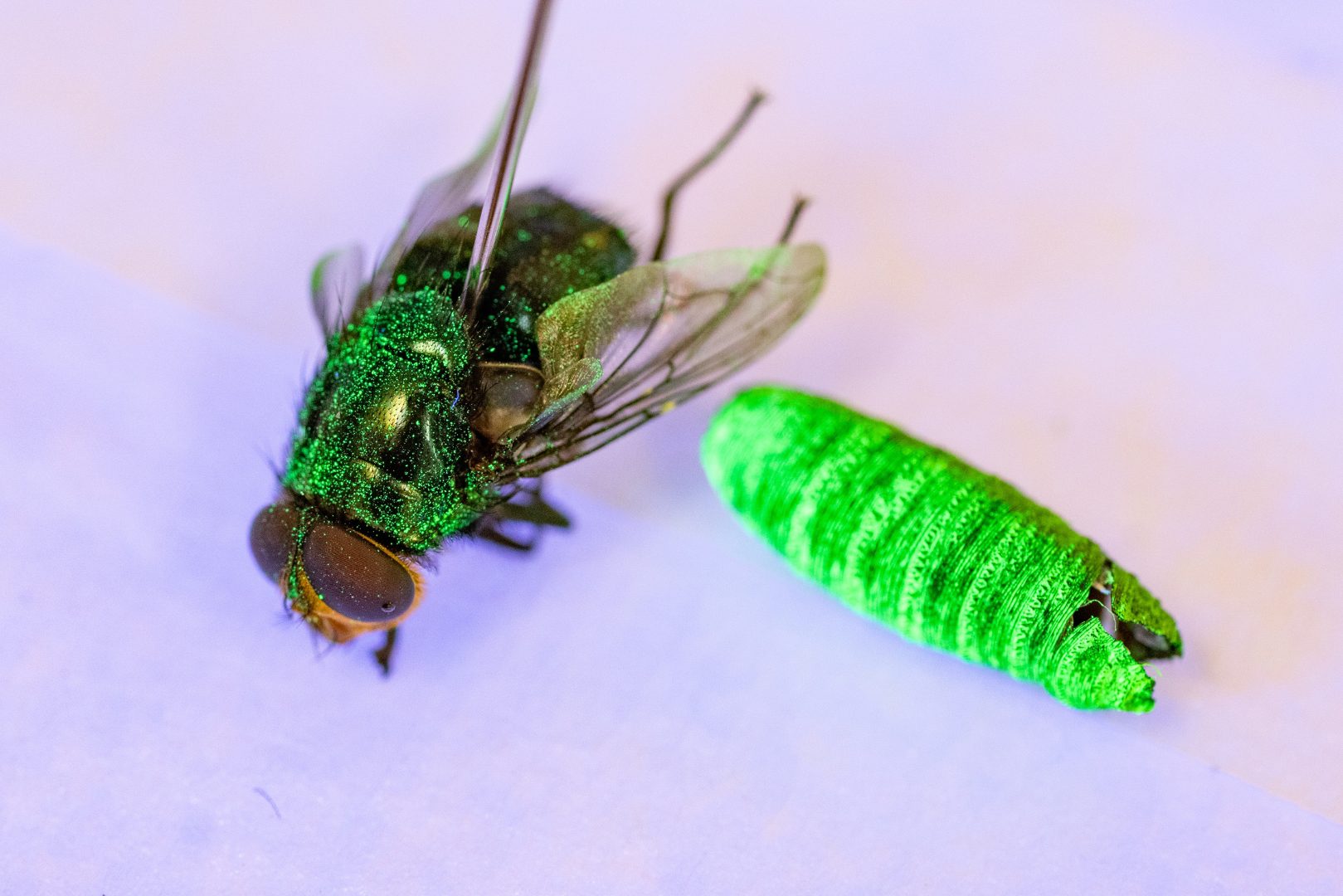
Should the New World screwworm enter the U.S., this fly is conservatively estimated to cause losses of $2.1 billion to the cattle industry and $9 billion to the hunting/wildlife industry just in Texas. Texas A&M AgriLife experts offer education and answers about the invasive insect that threatens the well-being of livestock and wildlife across the southern United States.
Proactive communication strategies to mitigate New World Screwworm Threat in New Mexico
New Mexico Agricultural Experiment Station

NMSU researchers are assessing knowledge, perceptions, and preferred communication channels among livestock producers and other key stakeholders, to help tailor communication strategies that improve stakeholder engagement, encourage adoption of preventative measures, and ensure timely, accurate information as conditions evolve.
U of A joins the fight against New World screwworm outbreak threatening American agriculture
University of Arizona
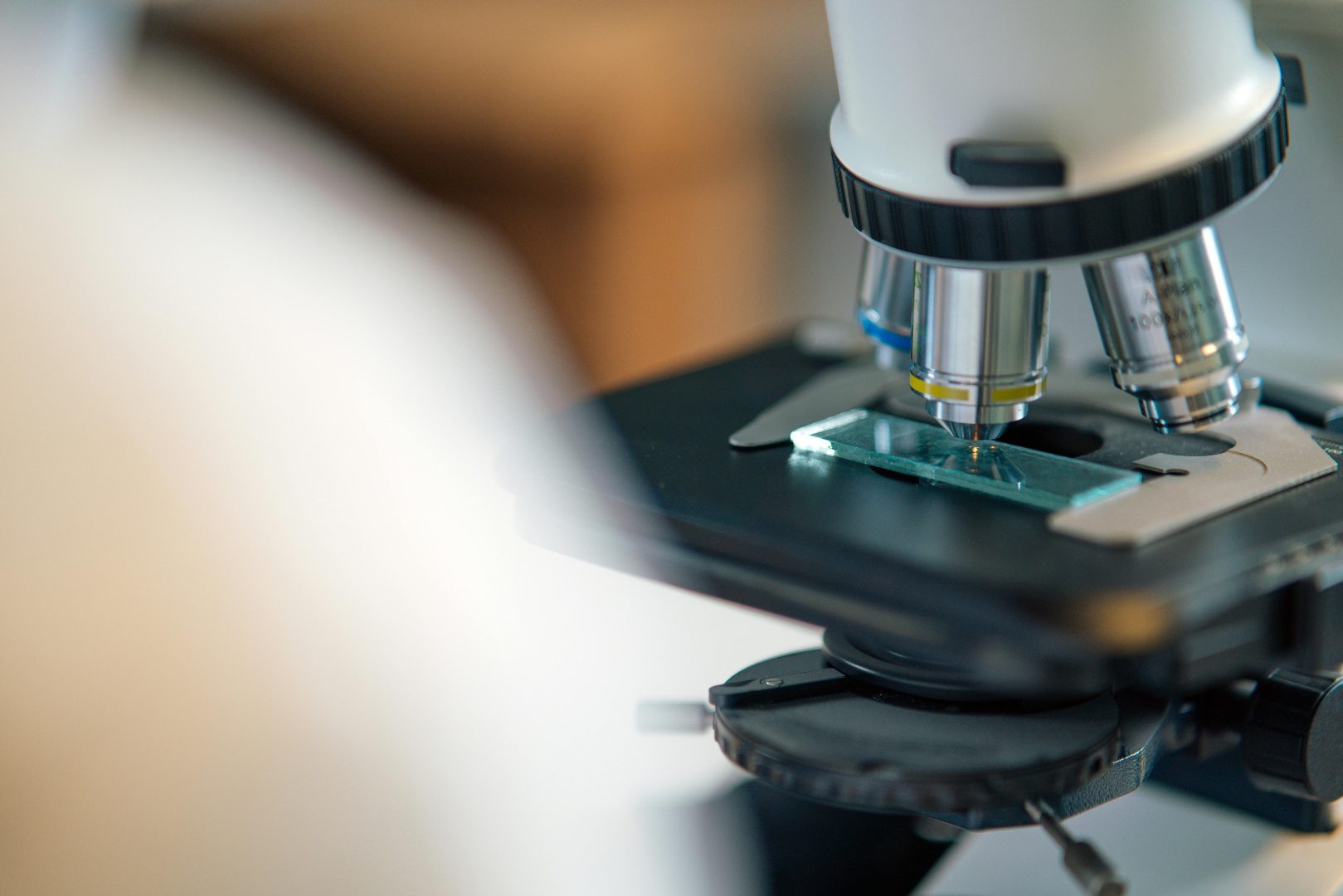
The University of Arizona is supporting a national effort against the outbreak of New World screwworm after the Arizona Veterinary Diagnostic Laboratory was named one of three sites in the country selected to aid the U.S. Department of Agriculture by screening for the pest. To aid in the effort, the lab processes captured adult flies from veterinarians and animal owners to determine whether or not they are New World screwworm.
Beef cattle and dairy producers wary as flesh-eating parasite comes closer to U.S.: UC ANR scientists share crucial resources on devastating New World screwworm
University of California
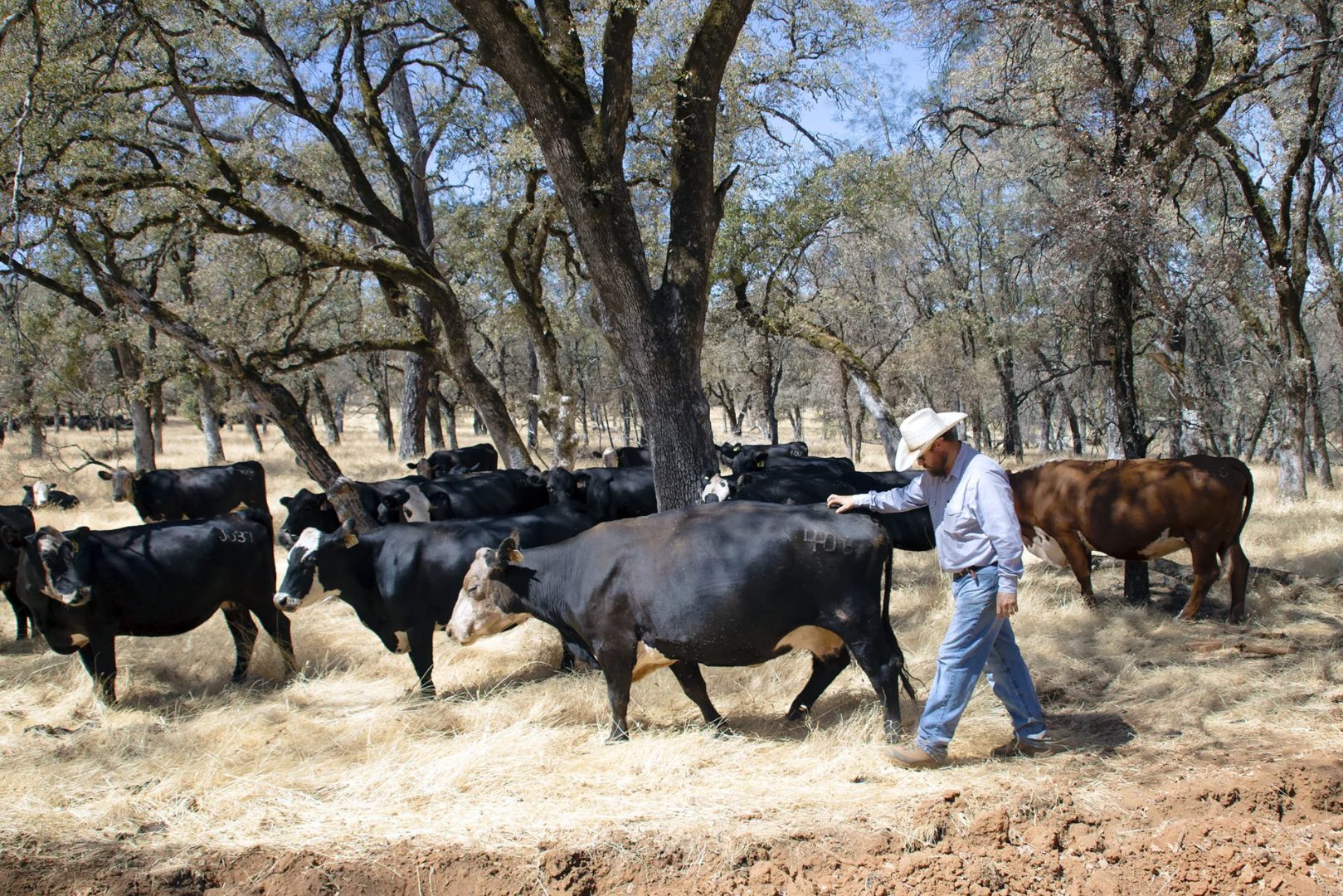
Among California’s top gross-value commodities in 2024, dairy products/milk are number one ($8.61 billion) and cattle and calves are number four ($4.98 billion) – both categories that could be most affected by the screwworm. UC Cooperative Extension livestock advisors across the state are actively sharing key resources for prevention, detection, and management with their clientele.
Share this Post