

A safe and reliable water supply is critical for profitable agriculture, healthy people, and thriving communities. Land‑grant universities nationwide are pioneering smarter, more efficient approaches to agricultural water use.
From affordable soil‑moisture sensors to advanced crop‑modeling tools, researchers are transforming how water is measured, conserved, and delivered in the field. These efforts help producers continue to thrive in the face of shrinking water supplies, rising production costs, and increasingly unpredictable weather.
Smart irrigation saves farmers water, maintains crop yields and helps protect rivers
North Carolina A&T Cooperative Extension Program
Primary Funding Source: Evans-Allen Capacity Funds
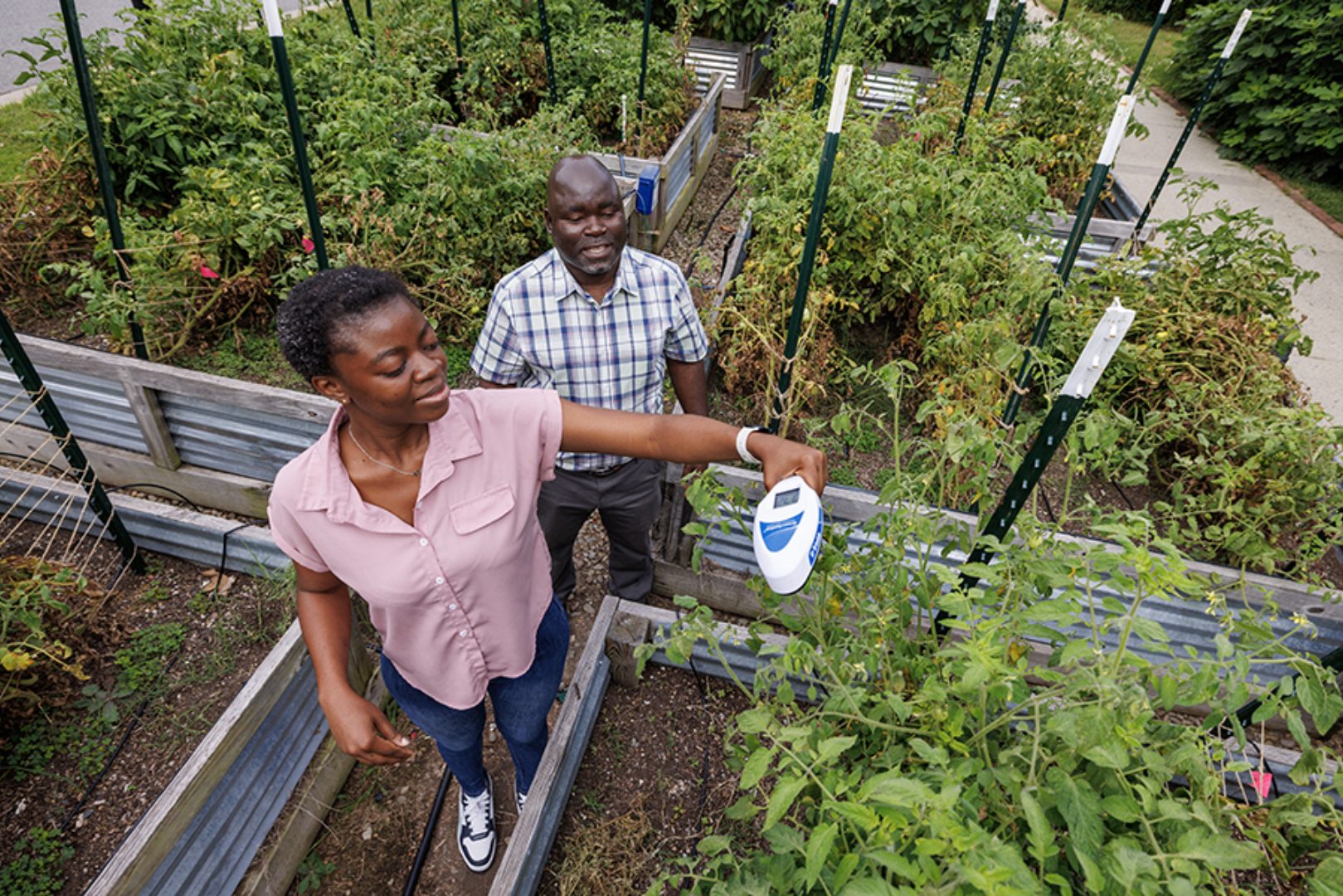
Smart irrigation technology helps farmers conserve water — a resource critical to everyone — while reducing costs and protecting food production. By using affordable soil sensors and crop modeling, this research promotes sustainable farming practices that minimize nutrient runoff, safeguarding rivers and drinking water supplies. These innovations also help farmers adapt to extreme weather, ensuring a stable food supply for communities.
Soil moisture sensors and remote sensing for precision water management in agriculture
New Mexico Agricultural Experiment Station
Primary Funding Source: USDA Competitive Funds
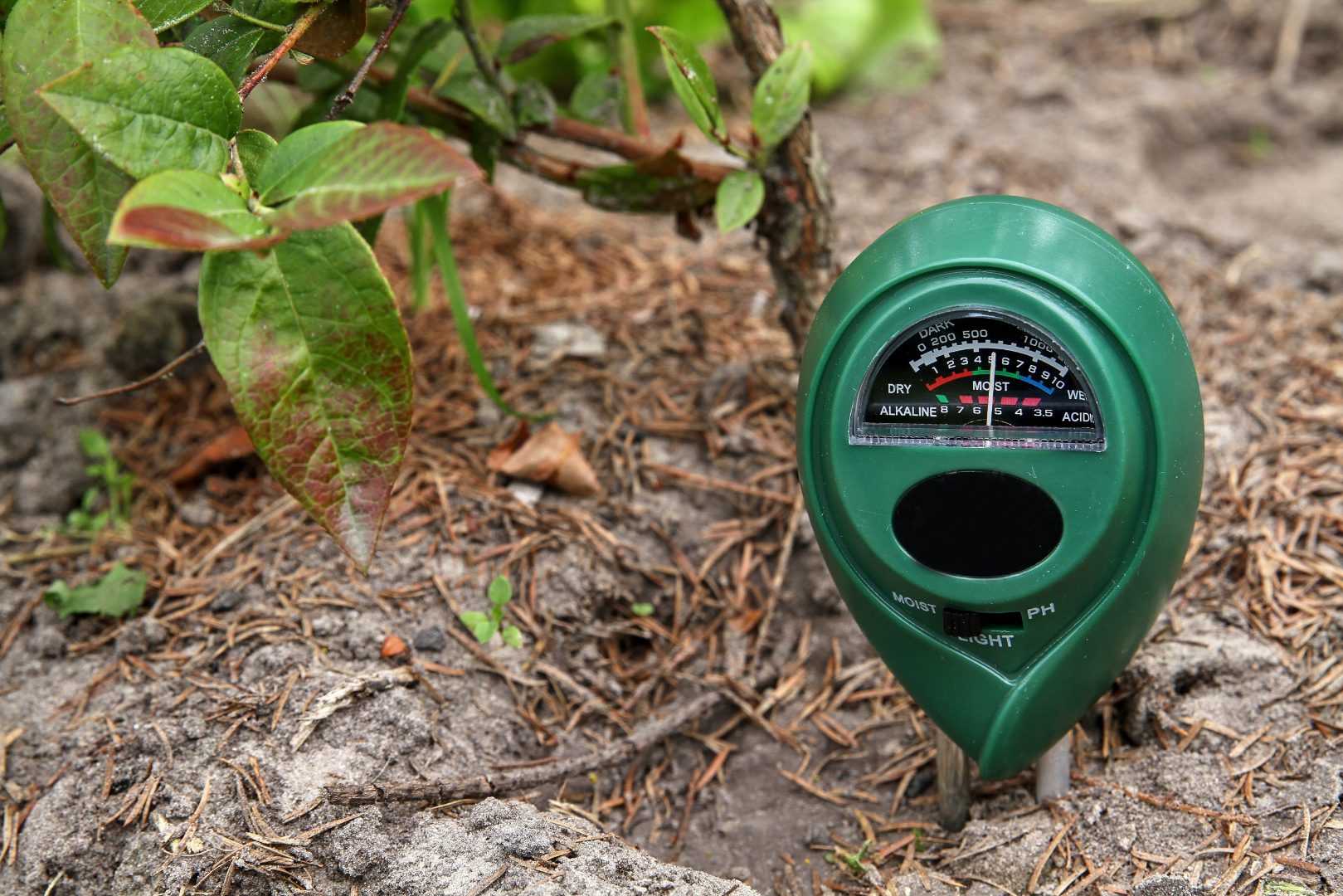
Promoting the soil moisture sensors in combination with remote sensing under deficit irrigation strategies could help irrigate an additional 20-25% of farmland while reducing groundwater pollution by nitrates and reducing water pumping electricity cost. Conservation agriculture targeting precision irrigation improves crop water productivity. This research showed water saving of about 25% of the seasonal irrigation amount while maintaining crop yield and increasing crop water use efficiency.
Improving water security for agriculture in the Pacific Northwest
Washington State University
Primary Funding Sources: State Appropriations; AFRI
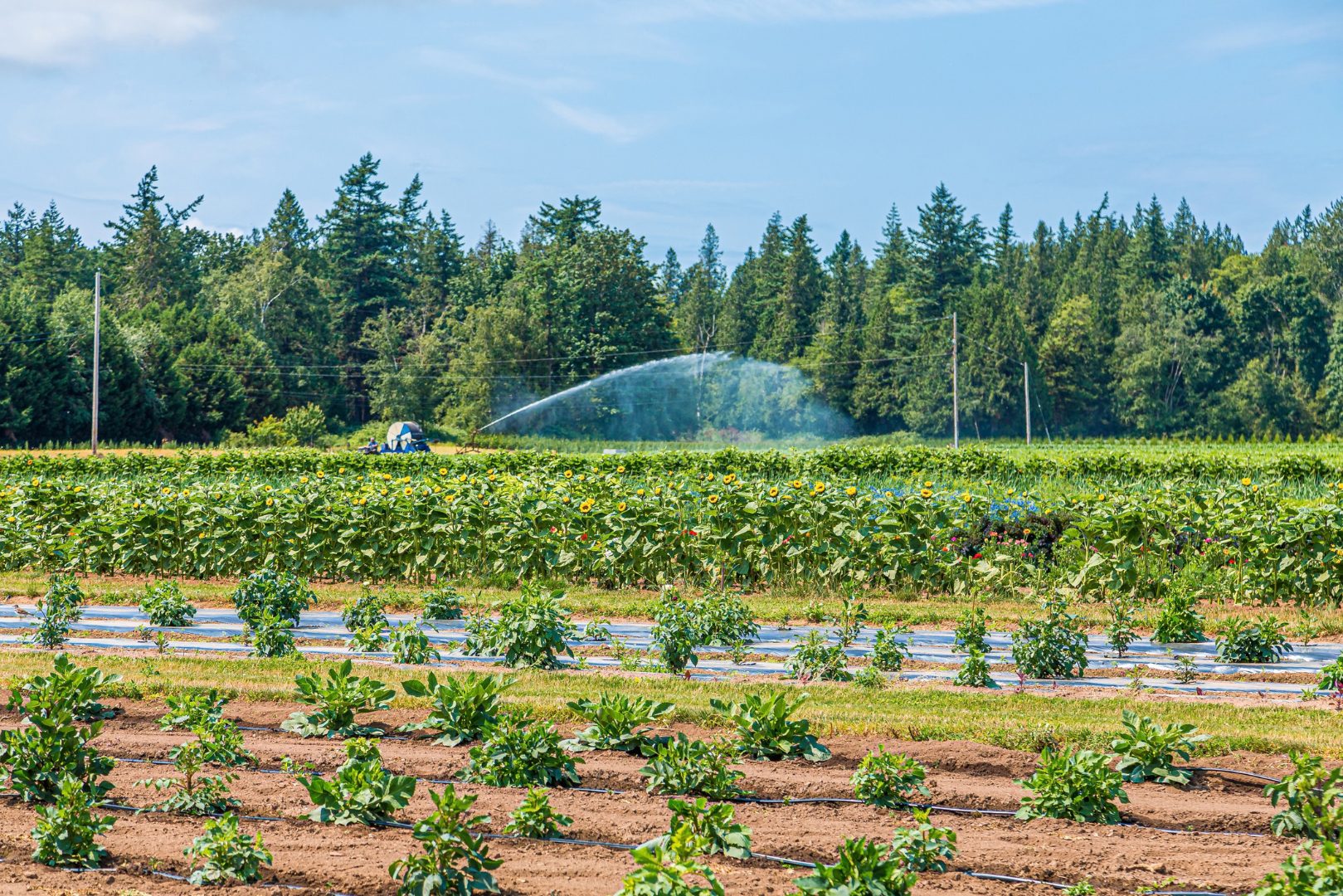
WSU Extension partnered with state agencies to improve water security in the Columbia River Basin through applied science, climate-informed planning tools, and stakeholder engagement. Since 2006, this work has helped Washington develop over a half a million feet of new agriculture irrigation water supply, increasing agricultural productivity while also advancing instream flow benefits and more collaborative water planning.
USU researchers improve evapotranspiration data to support water allocation in the Upper Colorado River Basin
Utah Agricultural Experiment Station
Primary Funding Source: Hatch Capacity Funds
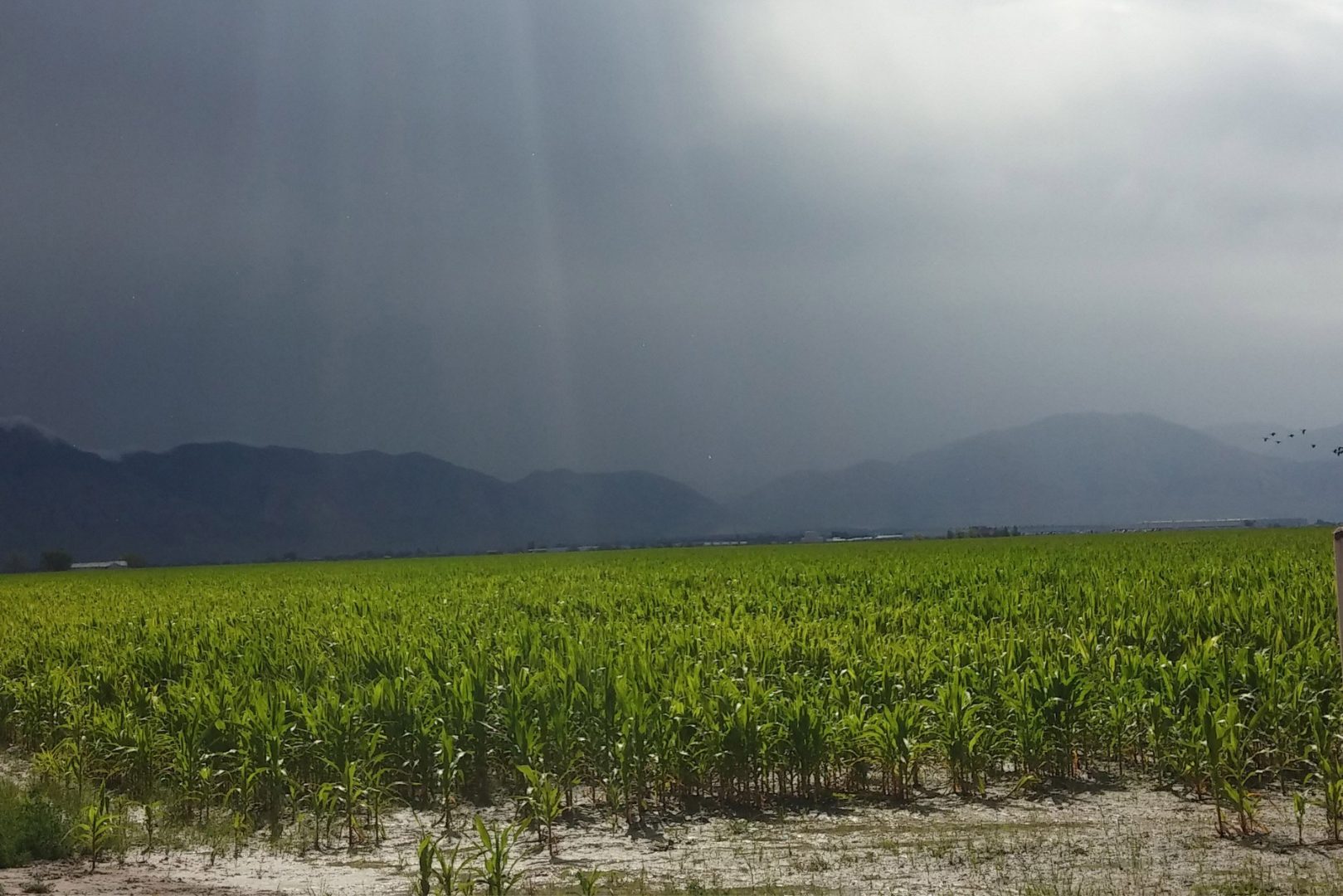
Utah State University researchers improved evapotranspiration measurement and model validation in the Upper Colorado River Basin to strengthen estimates of agricultural water use under drought and water-scarcity conditions.
Share this Post