
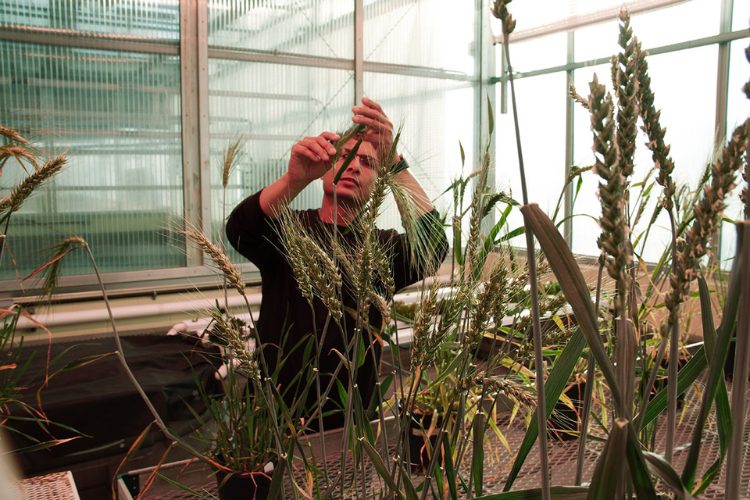
Across the country, land-grant university researchers are driving precision agriculture and innovation, using tools like AI, drones, and advanced breeding techniques to help farmers make smarter decisions, boost productivity, and build more resilient food systems.
Featured photo courtesy of University of Alaska Fairbanks Cooperative Extension Service.
New Pest-ID tool helps farmers make smart decisions to tailor management
Iowa Agriculture and Home Economics Experiment Station
Primary Funding Source: Hatch Capacity and USDA Competitive Funds
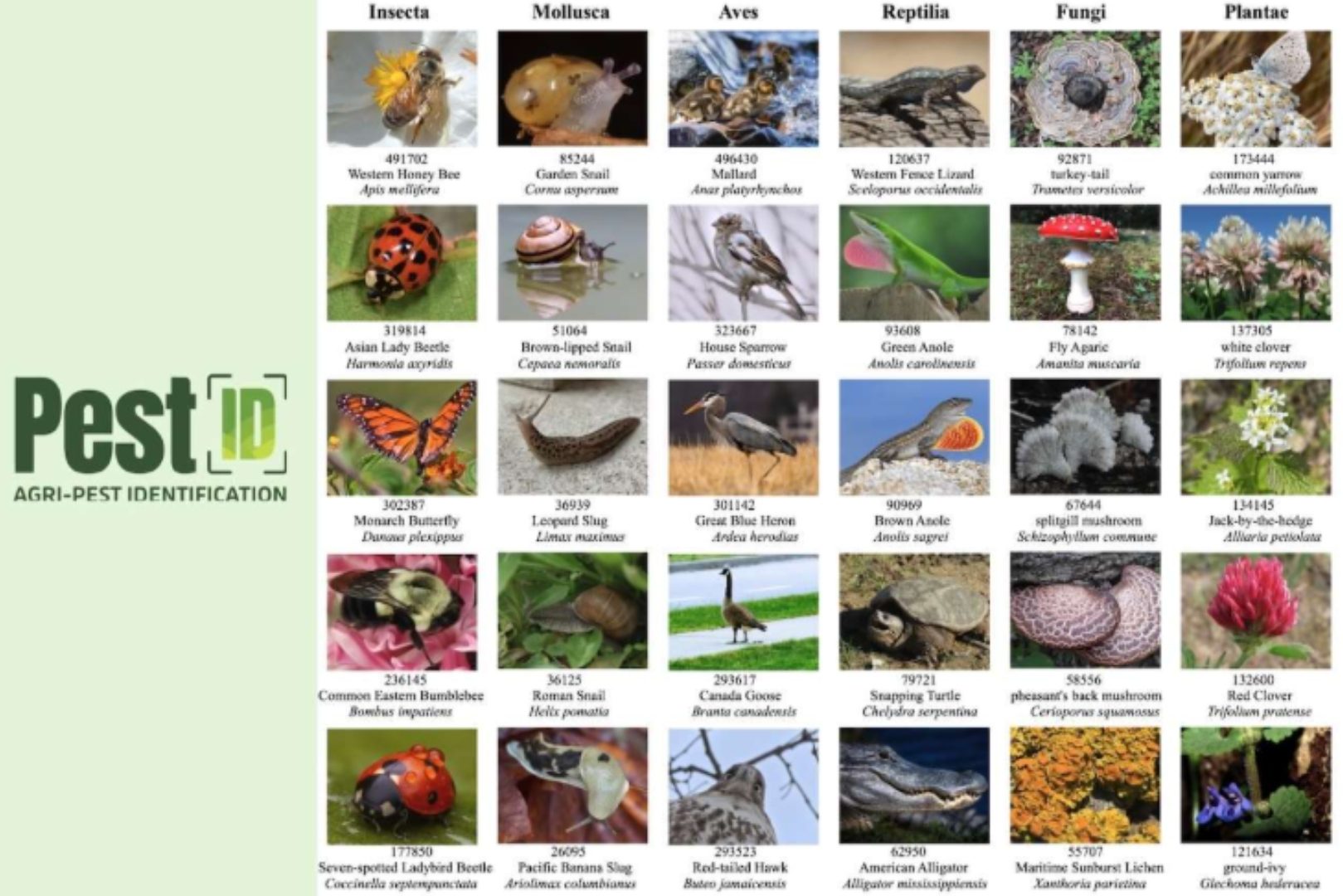
Farmers and farm consultants need a real-time tool to help them identify insects and weeds, enabling them to make informed decisions on pest management. Is this insect or plant likely to cause problems or not? If yes, what are the best options for treatment and at what threshold? Inaccurate identification can result in costly mistakes that reduce productivity this year and potentially into the future.
Researcher “speed-breeds” small grain varieties to boost crop production in Alaska
University of Alaska Fairbanks
Primary Funding Sources: Hatch Capacity Funds

A University of Alaska Fairbanks researcher is using a “speed-breeding” process to accelerate the development of suitable varieties of small grain crops, which can improve Alaska’s food production, promote economic development, and strengthen Alaska’s food system.
Improving plant resilience to extremes in water availability and temperature
California Agricultural Experiment Station
Primary Funding Source: Hatch Capacity Funds

University of California Agricultural Experiment Station research evaluates hydrogels to improve plants’ drought resilience across diverse landscapes, including small vegetable farms and city parking lots. Ultimately, the research on hydrogels will increase the resilience and sustainability of California’s diverse ecosystems through extreme weather events and changes in climate.
Drones, AI found to more efficiently measure the health of corn plants
University of Missouri Agriculture Experiment Station
Primary Funding Source: Hatch Multistate Capacity Funds; AFRI

A digital agriculture research team at the University of Missouri has combined drone imagery with machine learning to inform farmers about the health of corn crops. An innovative use of emerging technology at the University of Missouri will ultimately improve the efficiency of agricultural systems.
Advancing precision agriculture: Experiment Station researchers develop highly nutritious, water-efficient sorghum varieties
Nevada Agricultural Experiment Station
Primary Funding Source: USDA Capacity – Research; USDA Competitive
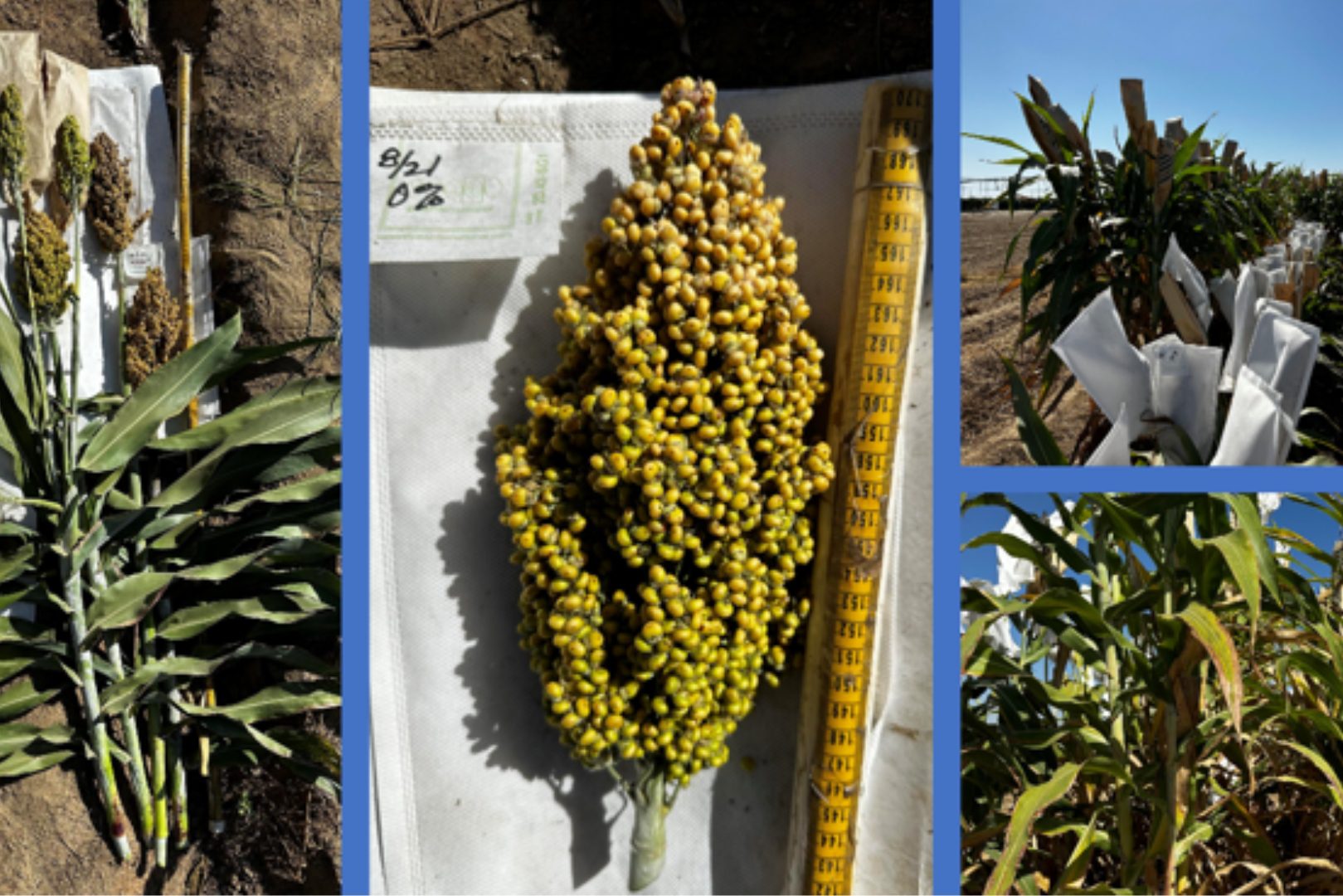
By promoting sorghum as a viable crop option, the program aims to strengthen Nevada’s agricultural stability and support sustainable food production in the face of ongoing water constraints. The commercialization of the developed sorghum varieties is also likely to drive economic development, particularly in rural areas, by attracting industries that process, transport and market these crops. Furthermore, cultivating nutrient-rich sorghum will likely contribute to healthier food systems, providing versatile options for human consumption and livestock feed.
Share this Post