NATIONAL AG WEEK

MARCH 15-21, 2026


Together We Grow: Celebrating 250 Years of American Agriculture


Public and land-grant universities across the nation champion agriculture every day through their research, education, and Extension.


This National Ag Week, we celebrate 250 years of American agricultural innovation and express our gratitude for the farmers, ranchers, and producers who feed, fuel, and clothe our nation.

For more than 160 years, America’s land‑grant universities have driven this legacy forward, creating the nationwide framework that supports agricultural teaching, research, and Extension today.

Working collectively, these universities increase U.S. farmers and ranchers’ profitability; expand markets for U.S. agricultural products; protect agriculture from invasive species, restore land productivity; and improve human health. By integrating its research, education, and Extension missions, land-grant institutions fuel innovation, develop a highly skilled workforce, and deliver practical and cost-effective solutions to communities nationwide.

Together, they are a transformative catalyst for resilience, progress, and a more prosperous future.
Ag Facts: Every $1 invested in public agricultural research generates $20 in economic return through higher productivity, stronger markets, and new jobs.

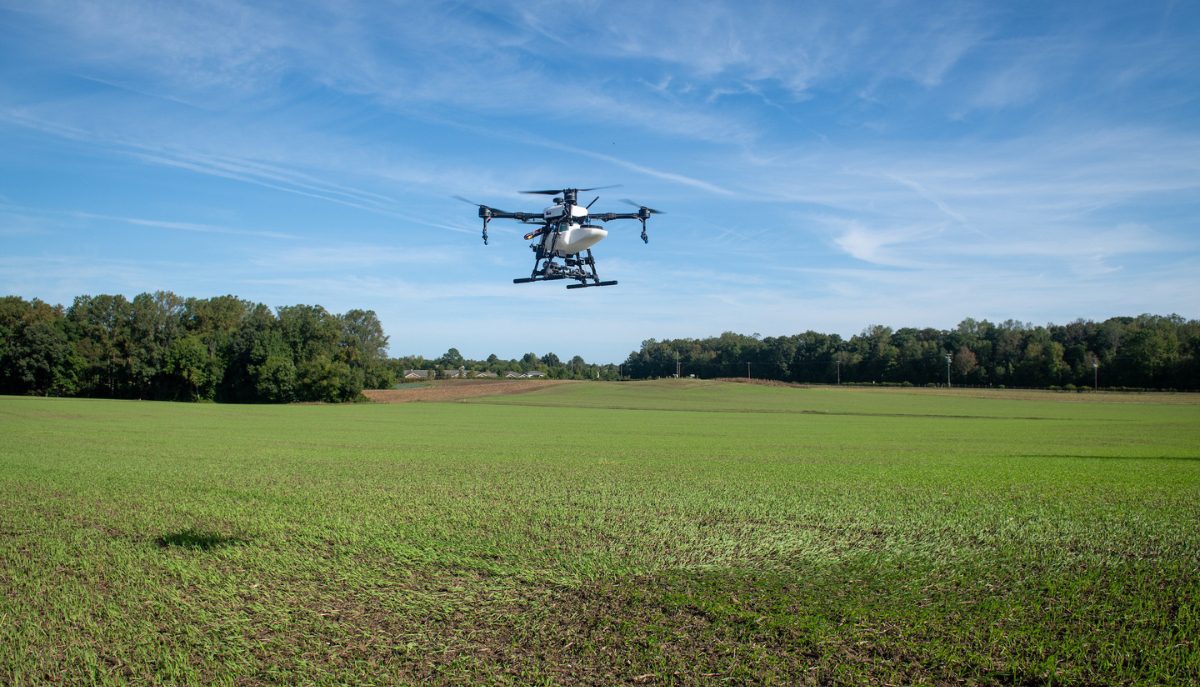
A drone flies over a field.

Research and Extension programs are driving major gains in agricultural productivity and profitability by improving pest and disease management, crop selection, and soil health, saving farmers millions through reduced losses, lower input costs, and higher yields.

Innovations in precision agriculture, automation, and animal health are increasing efficiency, cutting labor needs, and strengthening resilience while supporting high-quality food production. Together, these efforts also help farmers access new markets, recover from disasters, and adopt sustainable practices that ensure long-term economic and environmental success.

Read more.

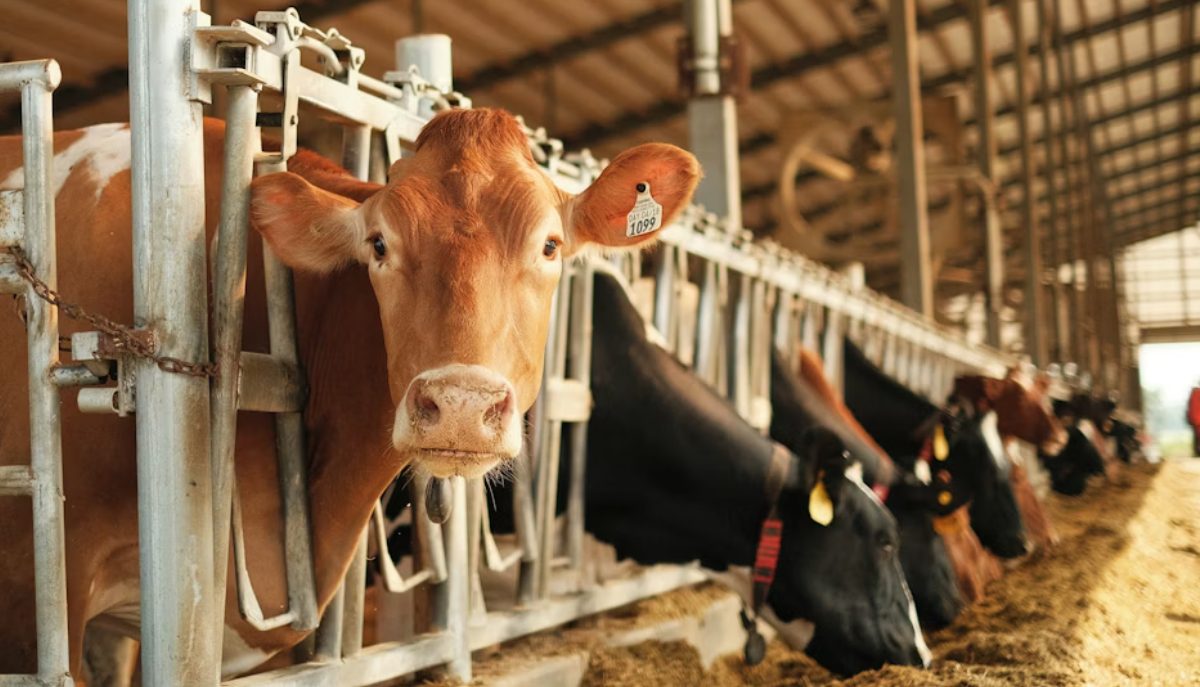
Meat and dairy provide critical protein and a wide variety of other products for consumers and represent economically important industries across the country, not just for producers, but also for processors, groceries and restaurants. Research and Extension professionals at land-grant institutions support livestock and related industries in many ways through education on economically efficient production practices and research on ways to protect and improve animal health and food safety and quality.


Read more.
dairy cows in a barn

Meat and dairy provide critical protein and a wide variety of other products for consumers and represent economically important industries across the country, not just for producers, but also for processors, groceries and restaurants. Research and Extension professionals at land-grant institutions support livestock and related industries in many ways through education on economically efficient production practices and research on ways to protect and improve animal health and food safety and quality.


Read more.
Scientists test a sample for C. perfringens at the MAFES H. H. Leveck Animal Research Center.

Necrotic enteritis (NE) is estimated to cost $6 billion in annual losses to the poultry industry, where it causes the death of cells and tissue in the bird’s intestinal lining. Scientists with the Mississippi Agricultural and Forestry Experiment Station (MAFES) have developed a novel rapid test for C. perfringens, the bacterium responsible for necrotic enteritis in poultry. The new test can be deployed onsite quickly and inexpensively and yields accurate, easy-to-interpret results using minimal equipment and simple methodology.
Read more.

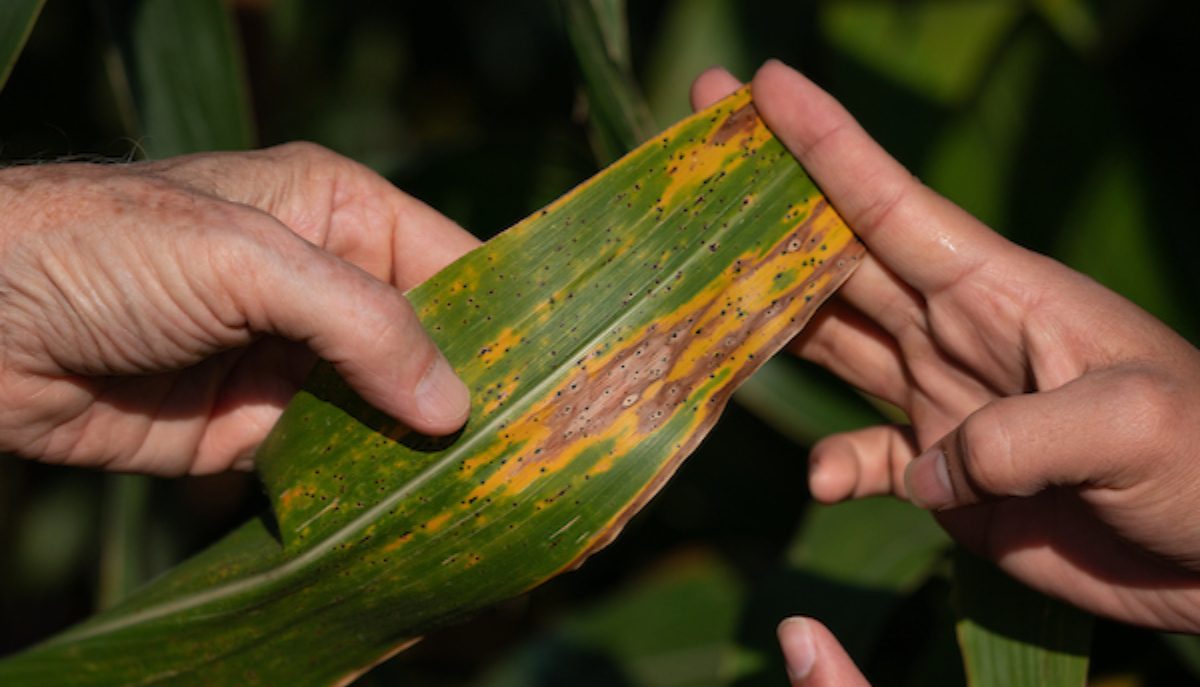
Land-grant university research and Extension programs help producers manage costly plant diseases through early detection, risk assessment and science-based tools. By integrating applied research, diagnostics and education, growers protect yields, reduce unnecessary pesticide use, improve return on investment and strengthen long-term agricultural resilience across variable production systems.


Read more.
a diseased plant
a diseased plant

Land-grant university research and Extension programs help producers manage costly plant diseases through early detection, risk assessment and science-based tools. By integrating applied research, diagnostics and education, growers protect yields, reduce unnecessary pesticide use, improve return on investment and strengthen long-term agricultural resilience across variable production systems.


Read more.
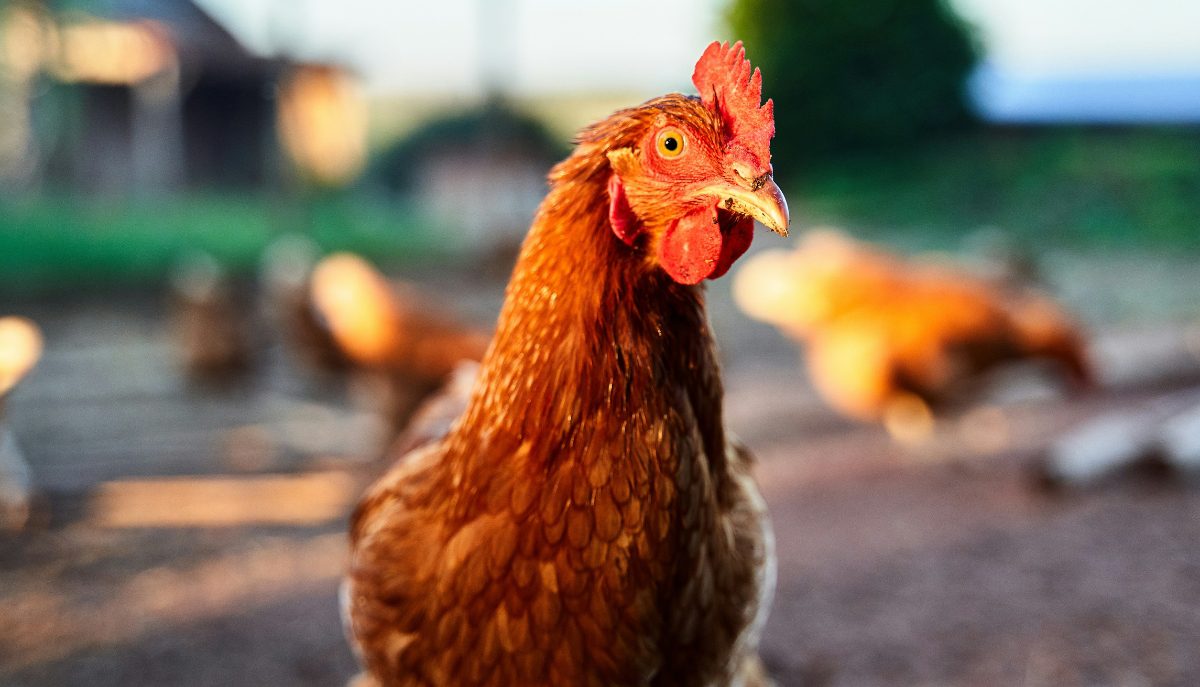
chicken

In the fight against the costly impacts of avian influenza, protecting poultry flocks from contact with wild birds is an important deterrent. However, the methods for effectively controlling wild birds are limited. In Georgia, researchers developed a novel method for detecting wild birds on farms, using night vision technology and artificial intelligence. The model was able to precisely track and identify the birds with 95% accuracy, providing a new way of developing strategies to prevent wild birds from transmitting highly contagious avian influenza to chicken and turkey flocks. 


Read more.

Ag Facts: Without the U.S. Cooperative Extension System, 28% additional farmers would have left farming over the last 30 years.

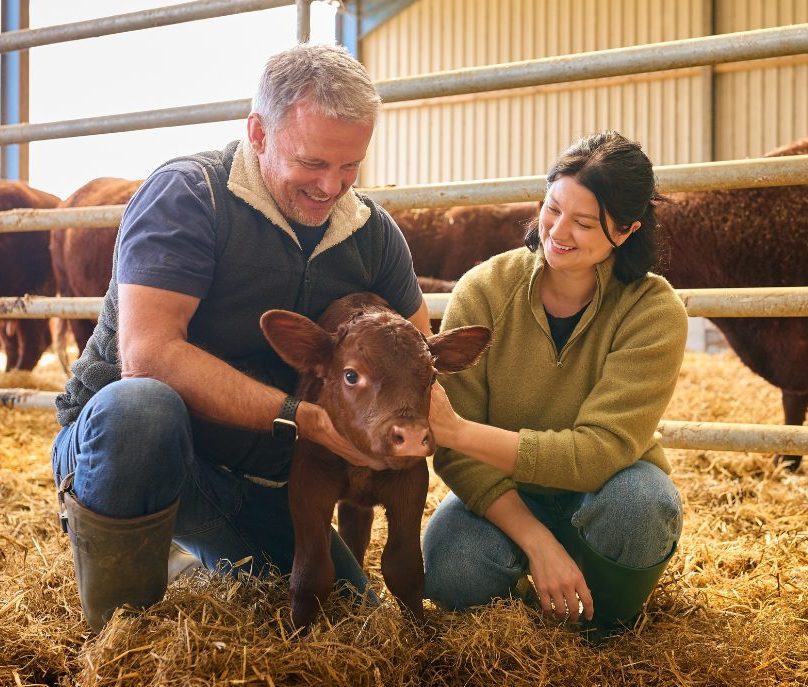
a farmer couple smile at a calf

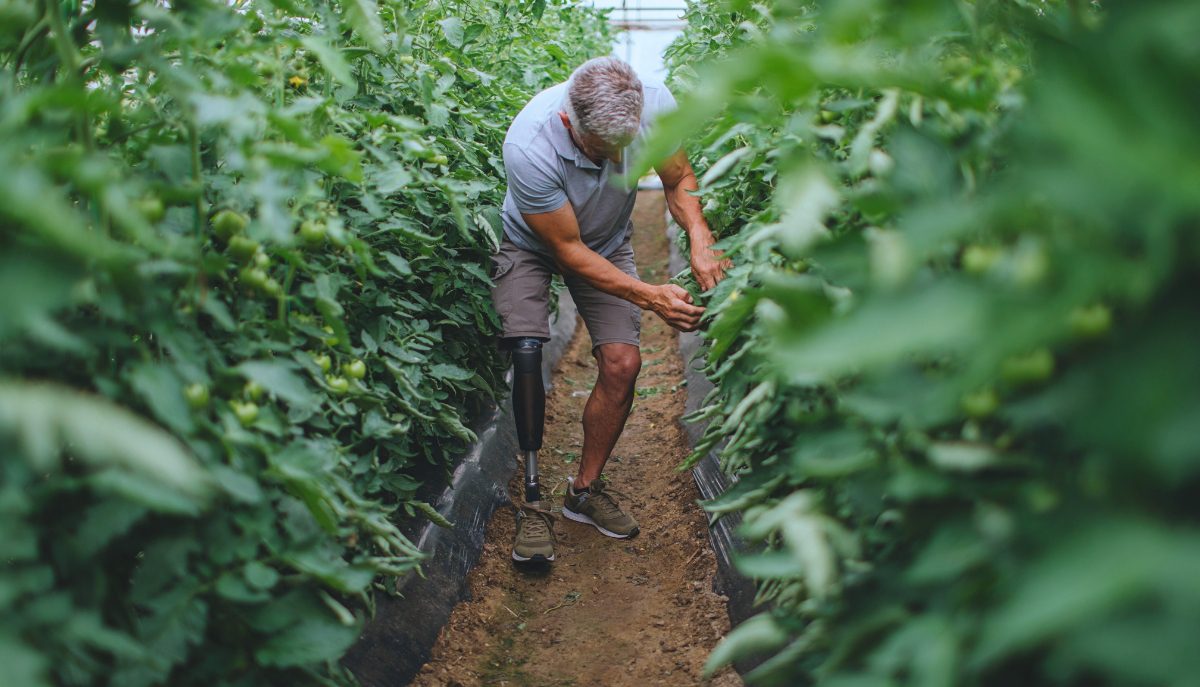
The U.S. Centers for Disease Control suggests that agriculture is one of the most dangerous businesses in the United States. An estimated 160 agricultural workers are injured every day, resulting in more than 58,000 injuries a year. According to a 2019 USDA report, approximately 19% of farmers have a disability. Land-grant universities are providing training to reduce injuries, support behavioral health and enable producers to maintain safety and productivity through the use of assistive devices.
Read more.

Kansas agriculture faces a critical transition point. Within the next two decades, approximately 70% of U.S. farmland, representing billions of dollars in agricultural assets, is expected to transfer to new ownership. In partnership with the University of Nebraska-Lincoln and Purdue Extension, K-State Extension delivered a four-session educational series that brought farm transition expertise directly to Kansas families where they live and work.


Read more.
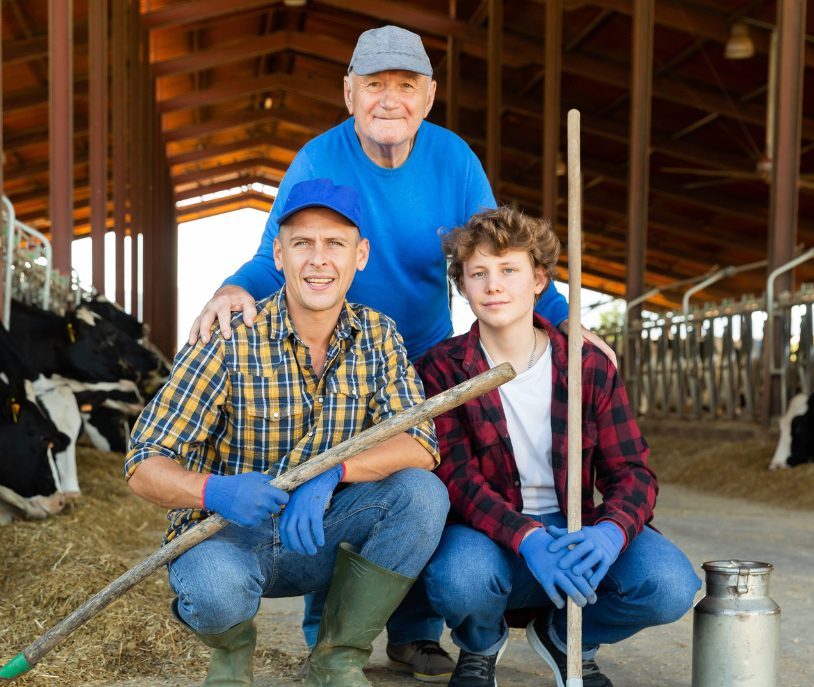
three generations of farmers

Kansas agriculture faces a critical transition point. Within the next two decades, approximately 70% of U.S. farmland, representing billions of dollars in agricultural assets, is expected to transfer to new ownership. In partnership with the University of Nebraska-Lincoln and Purdue Extension, K-State Extension delivered a four-session educational series that brought farm transition expertise directly to Kansas families where they live and work.


Read more.
a man with a prosthetic leg examines a tomato plant

Military veterans across the Midwest are increasingly pursuing careers in agriculture, yet many lack access to training in production economics, enterprise budgeting and sustainable farm management, essential skills for making informed decisions.

In 2025, Michigan State University Extension partnered with organizations from Michigan, Indiana, Ohio and Illinois to support the Military Veteran Farming Conference, designed to provide veterans with practical tools to improve their agricultural enterprises.

Read more.

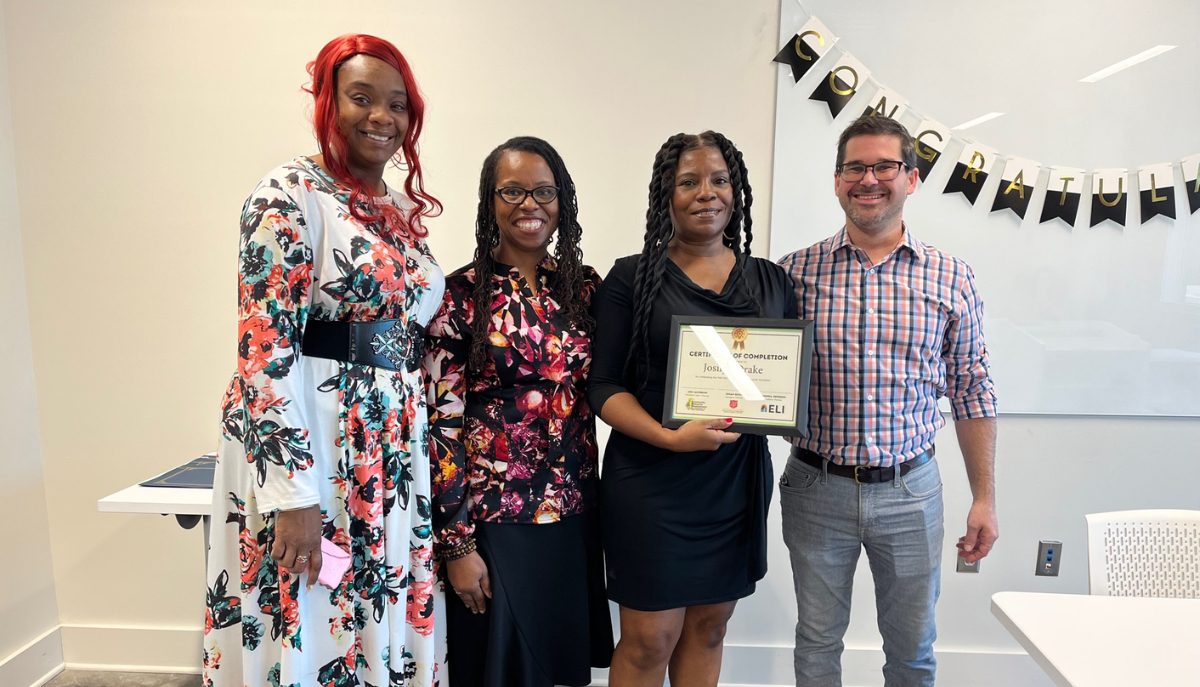
According to the U.S. Bureau of Labor Statistics and Lendio, 23.5% of businesses in Alabama fail within the first year, 45.6% fail within the first 5 years and 63.9% fail within the first 10 years. To help aspiring entrepreneurs build a firm foundation, the Alabama Cooperative Extension System at Alabama A&M University offers business startup training through the Birmingham Community Incubator. This educational opportunity equips individuals with essential resources, professional networks and business-planning skills to support long-term success.


Read more.
smiling program participant with a certificate

According to the U.S. Bureau of Labor Statistics and Lendio, 23.5% of businesses in Alabama fail within the first year, 45.6% fail within the first 5 years and 63.9% fail within the first 10 years. To help aspiring entrepreneurs build a firm foundation, the Alabama Cooperative Extension System at Alabama A&M University offers business startup training through the Birmingham Community Incubator. This educational opportunity equips individuals with essential resources, professional networks and business-planning skills to support long-term success.


Read more.
Farmer spreading feed for cattle

Across the Land-grant University System, outreach and research-based work are critical to strengthening the health, safety and well-being of agricultural communities. By pairing scientific evidence with trusted Extension networks, land-grant universities address urgent challenges while improving quality of life nationwide.


Read more.

Ag Facts: The U.S. has 20,000 more jobs in food, agriculture, environmental, and natural resource sciences than there are college graduates to fill the roles.

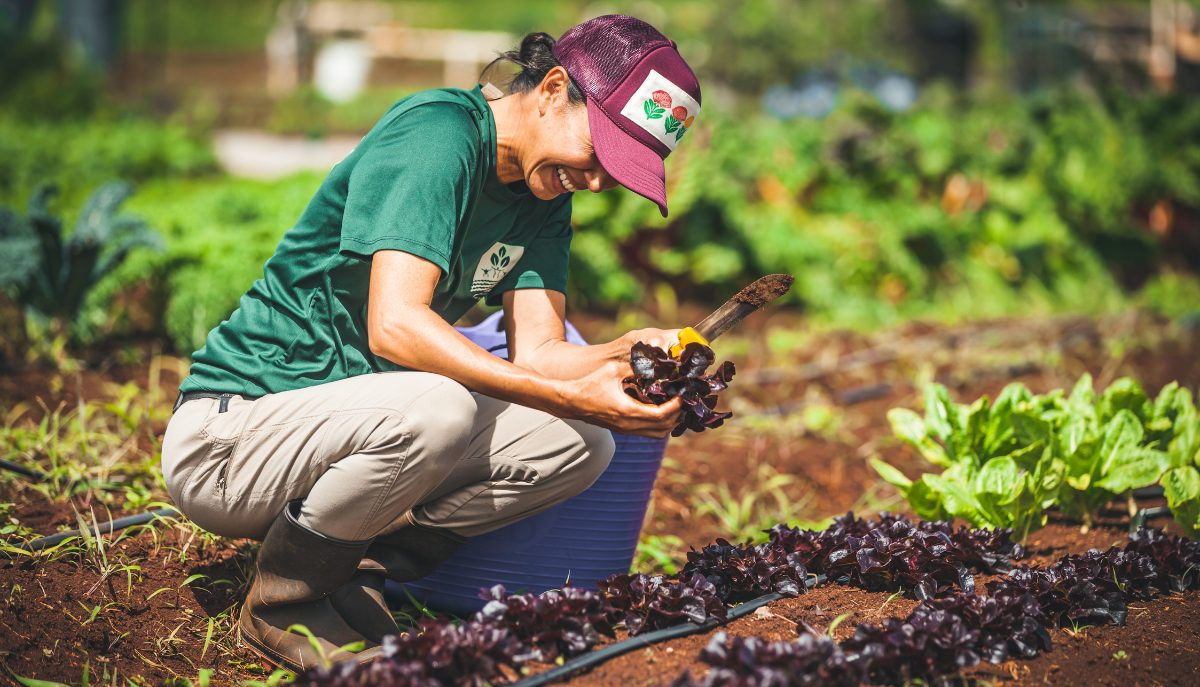
A smiling woman in a green shirt and maroon cap crouches in a sunny field, harvesting a head of deep red leaf lettuce. She is working in a well-tended garden plot with irrigation lines, representing local agricultural impact and food production

The workforce is changing. Across industries and states, trained workers are in demand to support local food systems, meet community needs, ensure safety and increase productivity. Land-grant universities are rising to the challenge of meeting these needs through partnerships, trainings, certifications and hands-on learning opportunities that strengthen the agricultural workforce.
Read more.

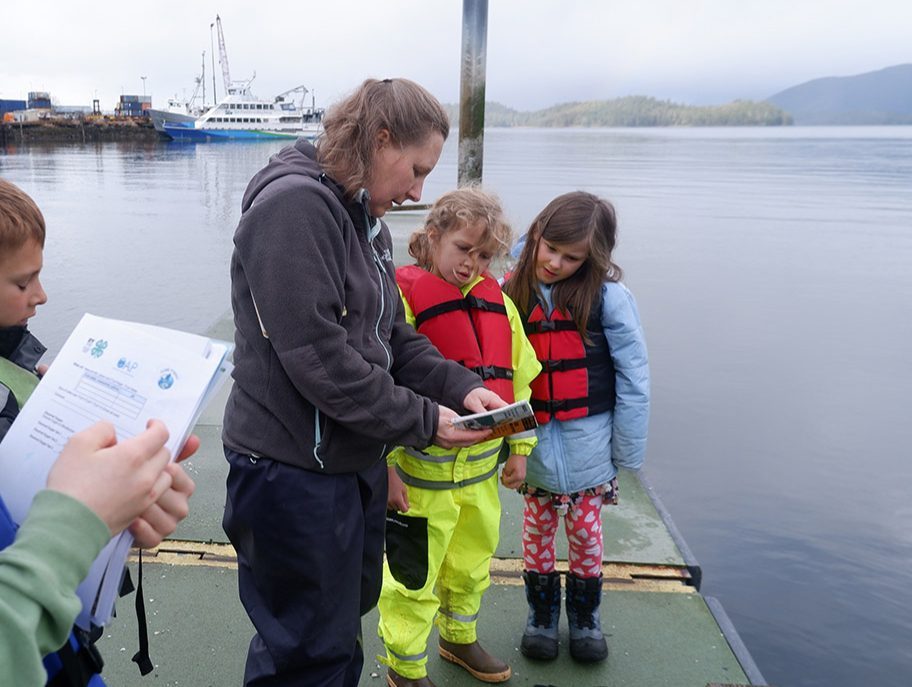
The United States is facing a dearth of skilled and educated workers across the agricultural industry. With many young people being several generations removed from agriculture within their families, and removed from where their food comes from, introducing youths to the variety of careers in agriculture and food systems and teaching related skills can build a new generation of agriculture and STEM professionals. Extension systems are uniquely positioned to connect youths to eye-opening opportunities for their futures.


Read more.
Youths wearing life vests stand on a dock as they fill out forms while an adult explains the process

The United States is facing a dearth of skilled and educated workers across the agricultural industry. With many young people being several generations removed from agriculture within their families, and removed from where their food comes from, introducing youths to the variety of careers in agriculture and food systems and teaching related skills can build a new generation of agriculture and STEM professionals. Extension systems are uniquely positioned to connect youths to eye-opening opportunities for their futures.


Read more.
a group of smiling students

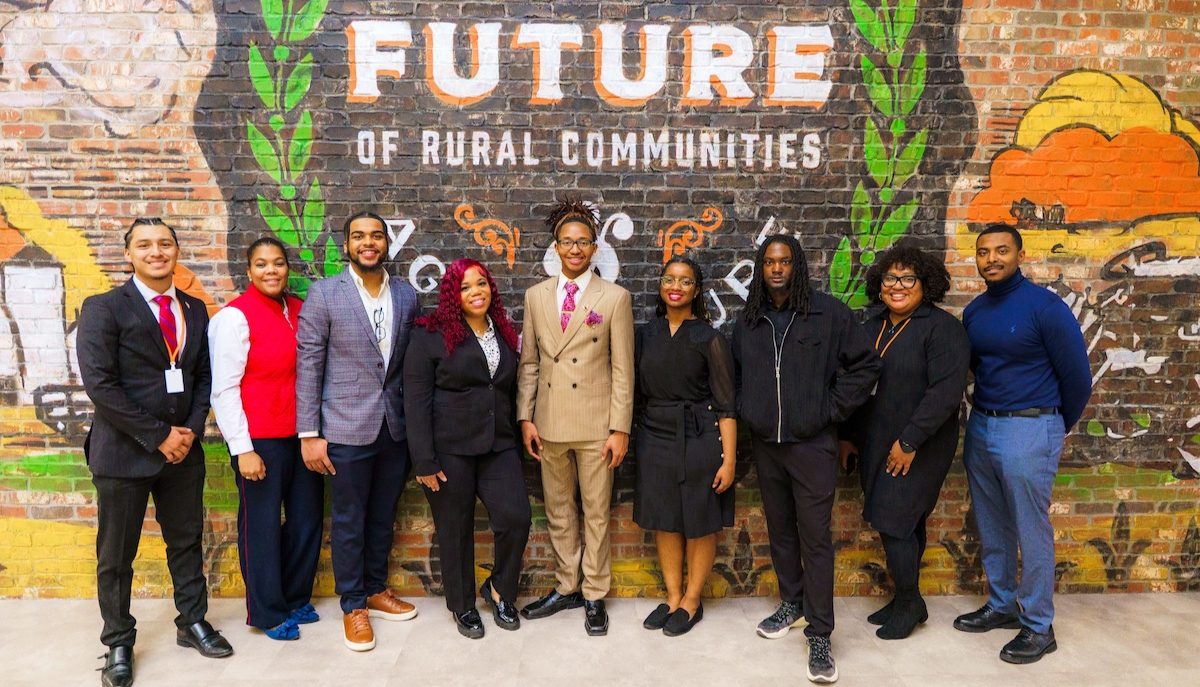
Sectors across the agricultural landscape need more educated and skilled workers to support our national and local food systems. 1890 land-grant universities offer different pathways to introduce students to career opportunities and prepare them for employment.

Read more.

Exposing youth to innovative technology builds digital literacy, problem-solving skills and career readiness, preparing the next generation to compete in a rapidly evolving, technology-driven workforce. Together, youth-focused technology education and land-grant leadership create a pipeline of skilled leaders who can drive economic growth and address complex local and global challenges.


Read more.
a 4-H student operates a robot

Exposing youth to innovative technology builds digital literacy, problem-solving skills and career readiness, preparing the next generation to compete in a rapidly evolving, technology-driven workforce. Together, youth-focused technology education and land-grant leadership create a pipeline of skilled leaders who can drive economic growth and address complex local and global challenges.


Read more.
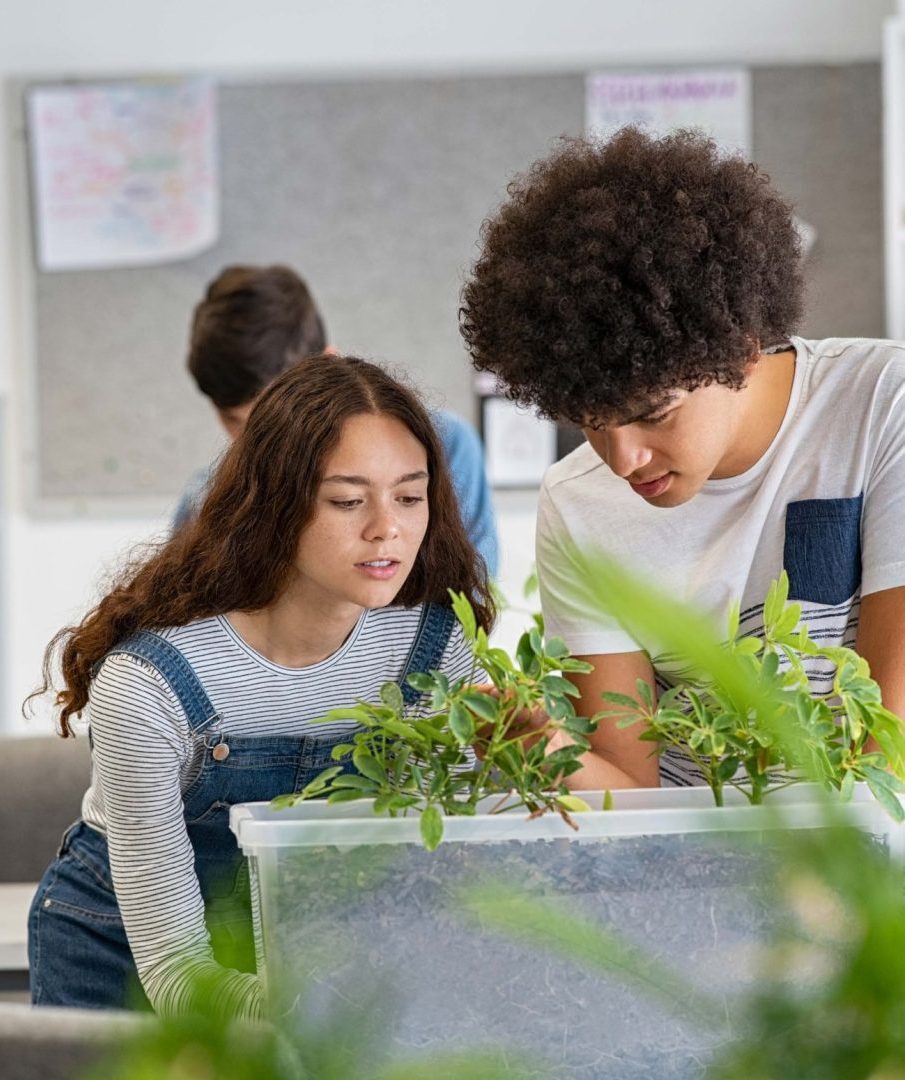
students in a classroom examine a plant

In 2020, the USDA indicated that 29% of all job openings in the agricultural industry require scientific and engineering expertise. But this demand for workers with STEM training surpasses the available supply of qualified candidates. Leading agriculture-based corporations indicate they cannot find suitable graduates with an agricultural background and scientific expertise. Land-grant universities are working together to enhance our workforce of qualified agricultural scientists.


Read more.